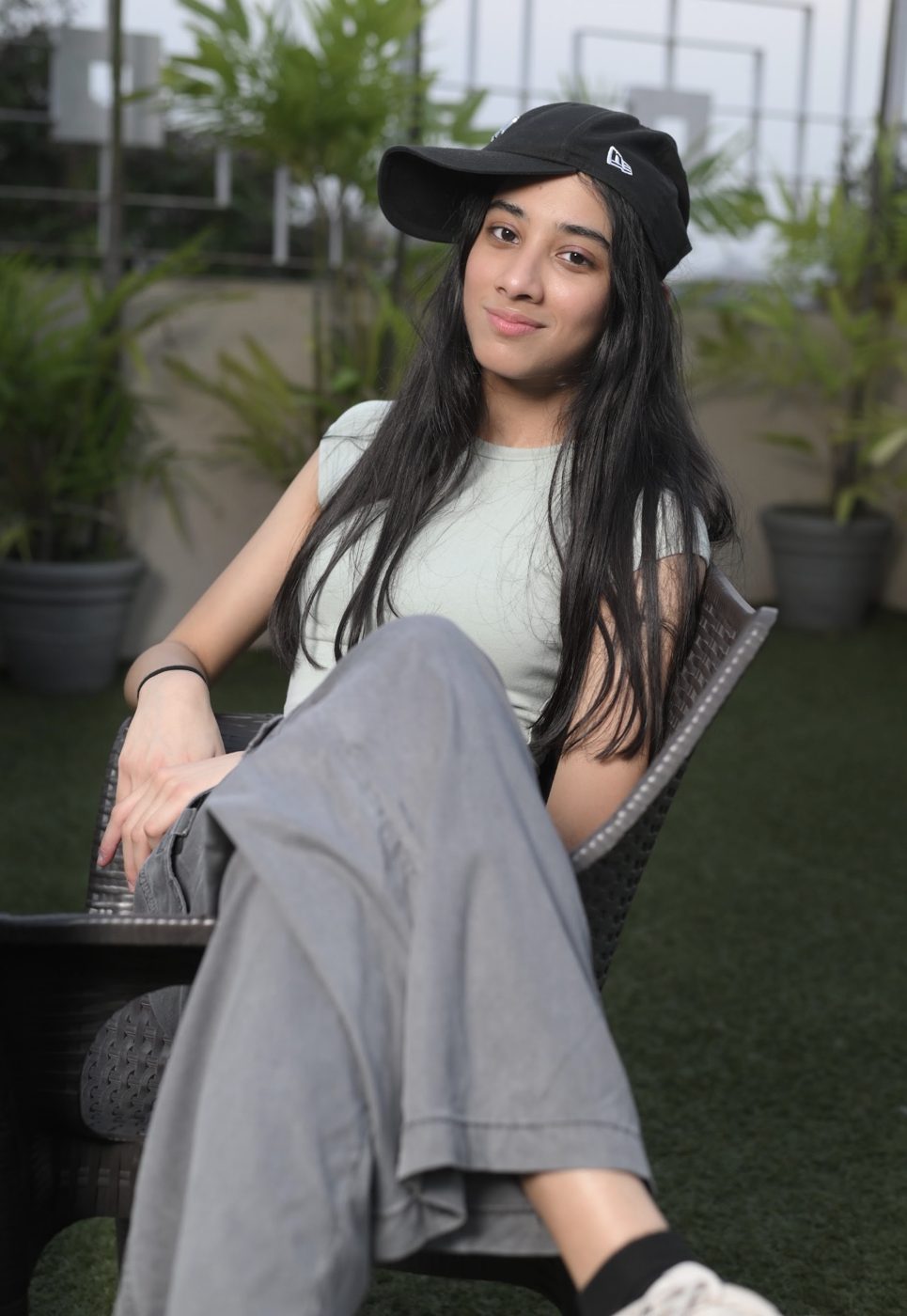
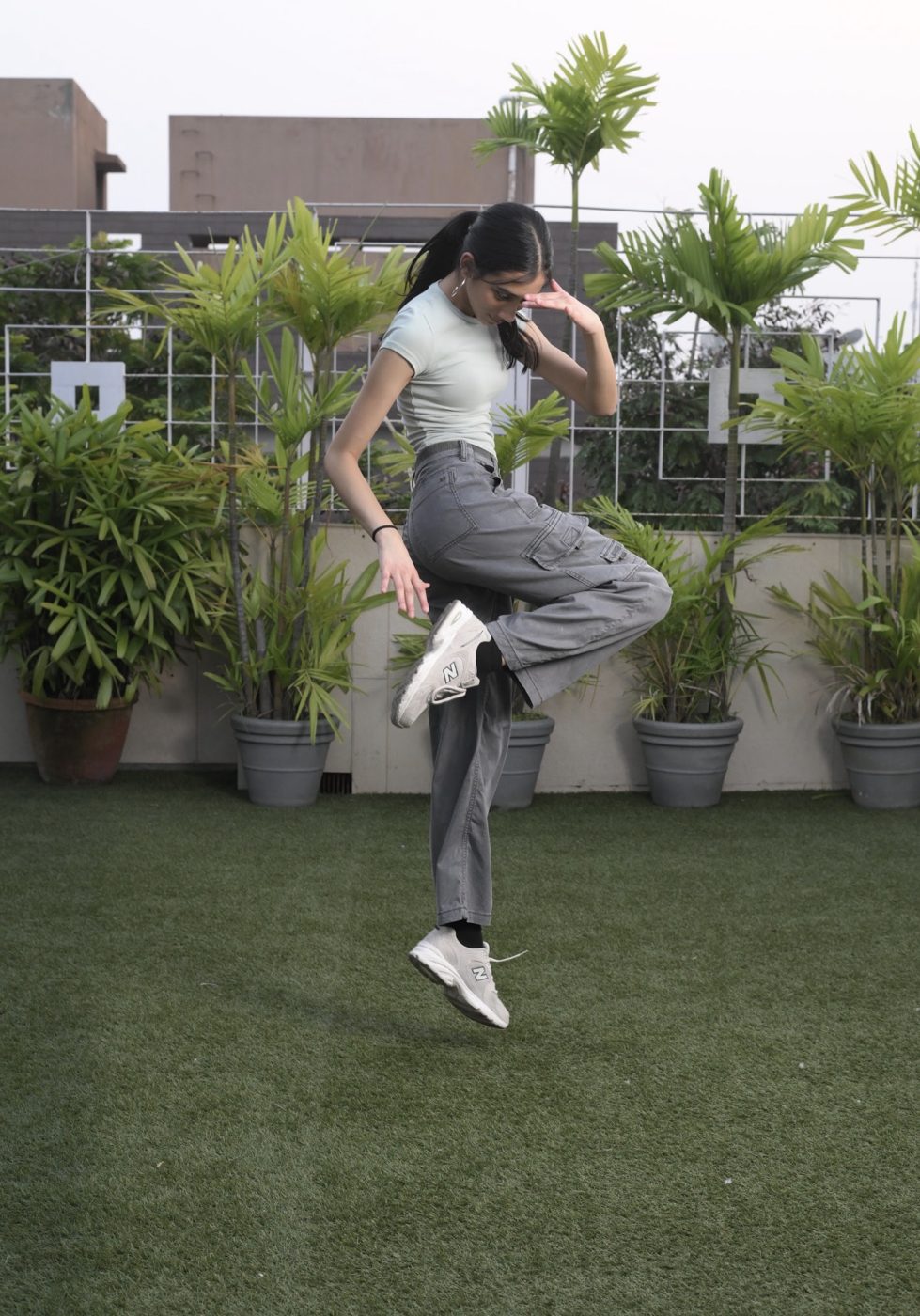
Portrait of Jahnavi Dalmia

A curious mind. A life in motion.

Learning through research, movement and lived experience.

Class 12

Years in dance
13
Years Odissi
8+
Research projects
2

My Story

From routine to rhythm

An aspiring entrepreneur, curious learner, passionate dancer, and fifth-generation member of a family business.

I’m a Class 12 student at Modern High School for Girls, Kolkata, and if there’s one thing that describes me, it’s that I’ve always been curious about how things work, especially when it comes to people, businesses, and the ideas behind them.

Growing up in a family that’s been in the tea business for over a century, I’ve been surrounded by conversations about everything from tea gardens and production to packaging, pricing, and marketing. What started as simply listening to these discussions gradually turned into questions of my own. Why does packaging change the way we perceive a product? What makes an advertisement memorable? How can a century-old tea brand connect with a new generation?

Rather than just wondering about these things, I wanted to explore them myself.

That curiosity has taken me from the tea gardens of Assam and Siliguri to factory floors, professional tea-tasting sessions, and digital marketing discussions. I’ve conducted independent research on premium tea packaging, iconic Indian advertising campaigns, and the digitalisation of the tea industry. During my internship at EcoConnect, I worked with different brands and helped develop ideas for a tea symposium aimed at making tea more engaging for younger audiences.

These experiences have made me increasingly interested in marketing, economics, and entrepreneurship, particularly how traditional businesses can embrace new ideas without losing what makes them special. I’ve continued exploring these interests through courses from Wharton and Northwestern University, business competitions, and Ashoka University’s Young Scholars Programme.

But there’s another part of me that is just as important: dance.

It was about expression.

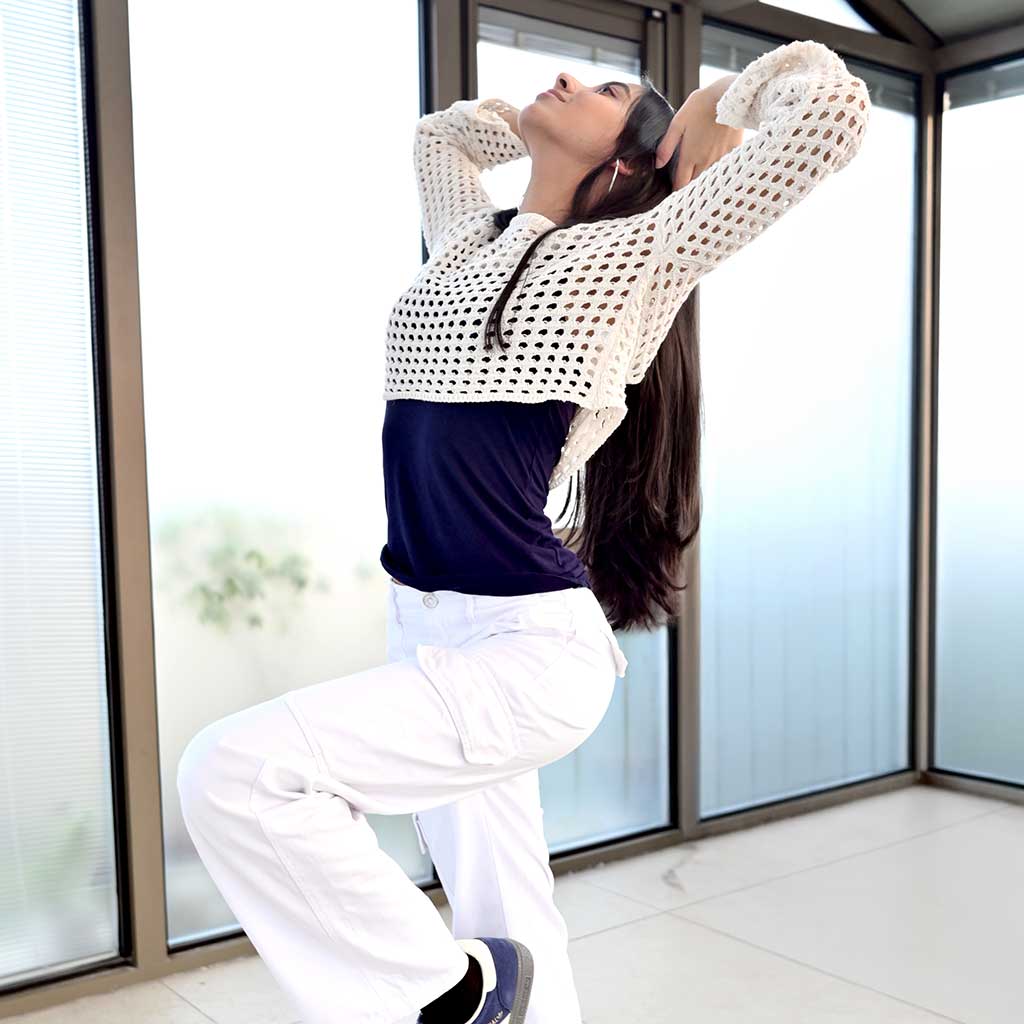
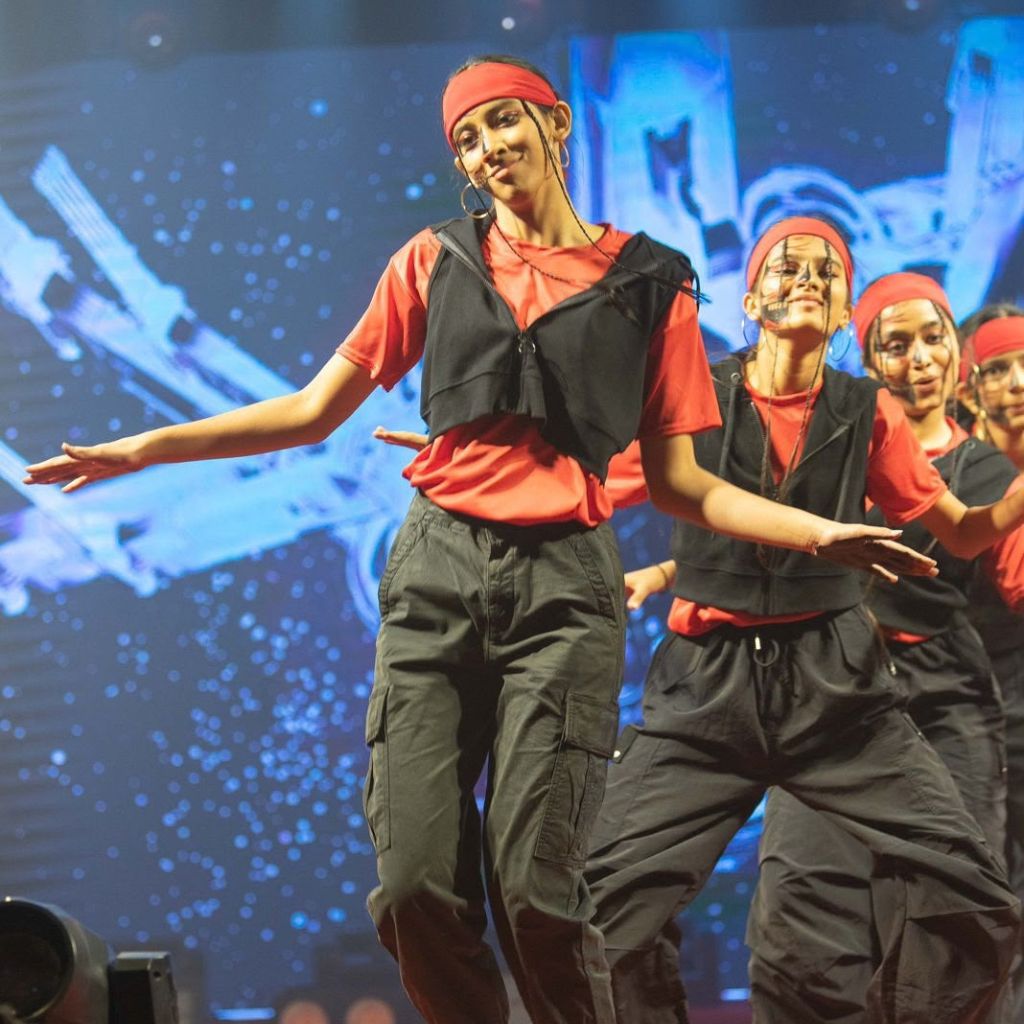
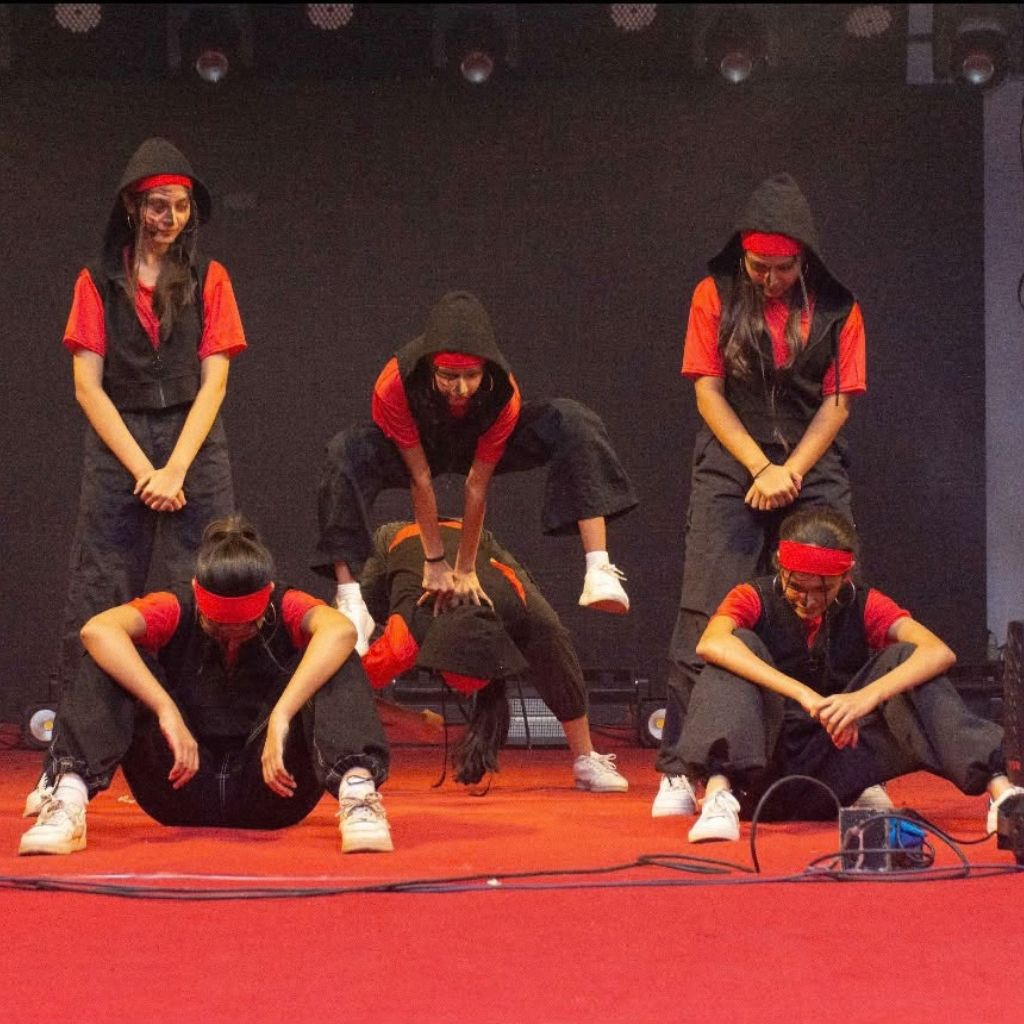
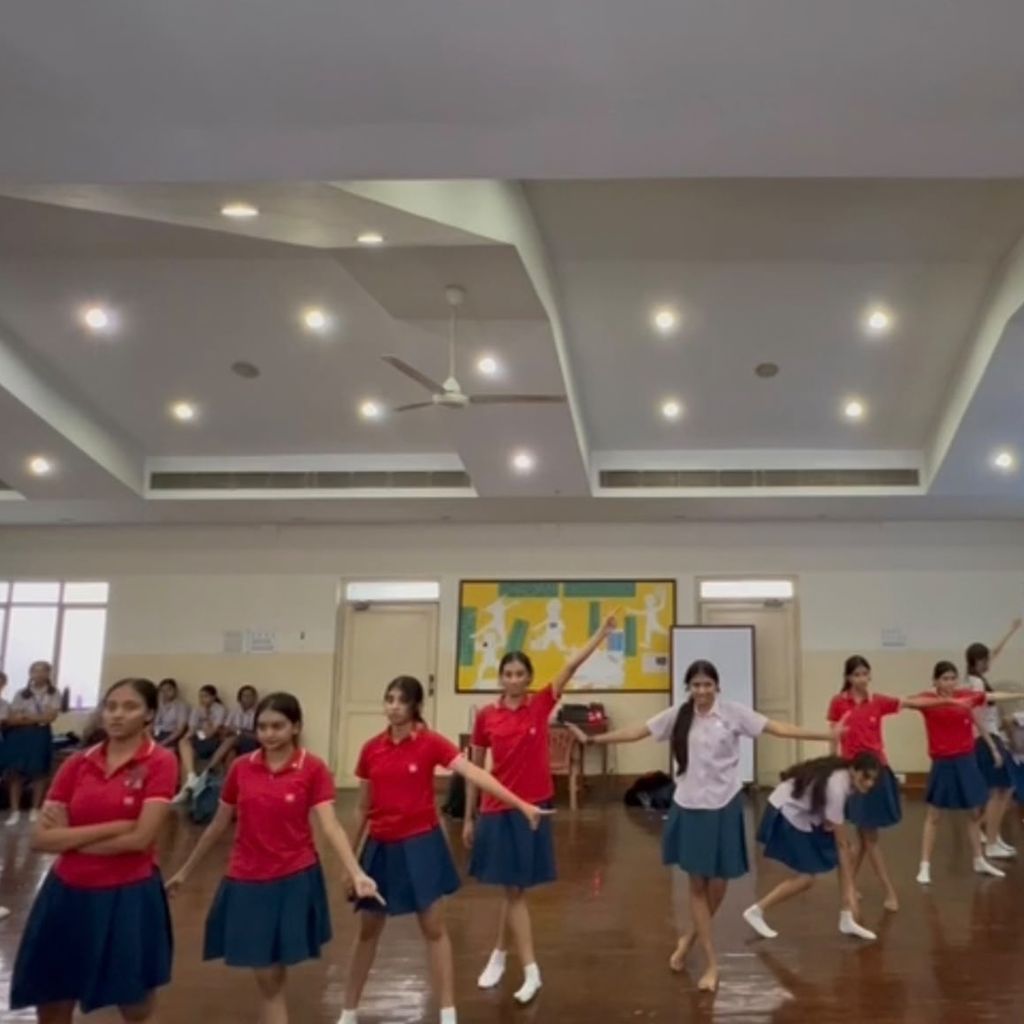
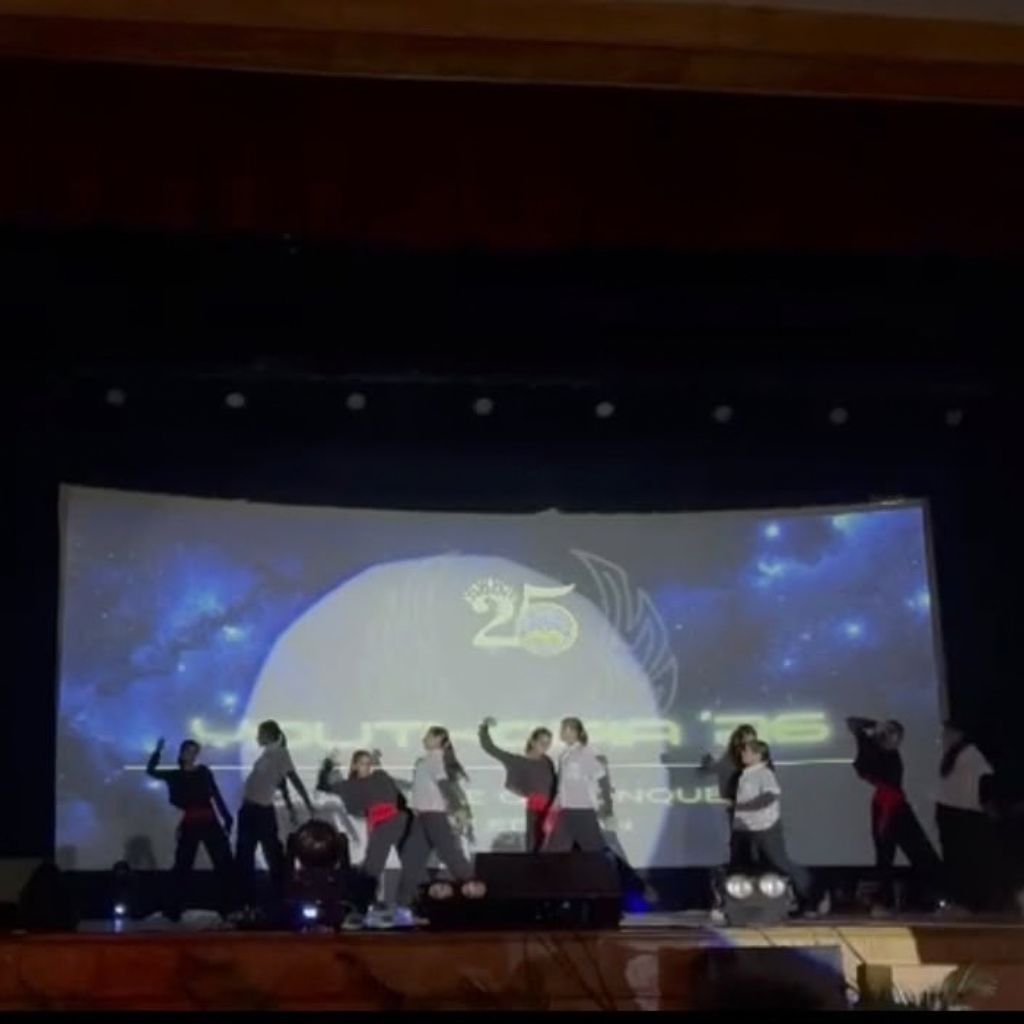
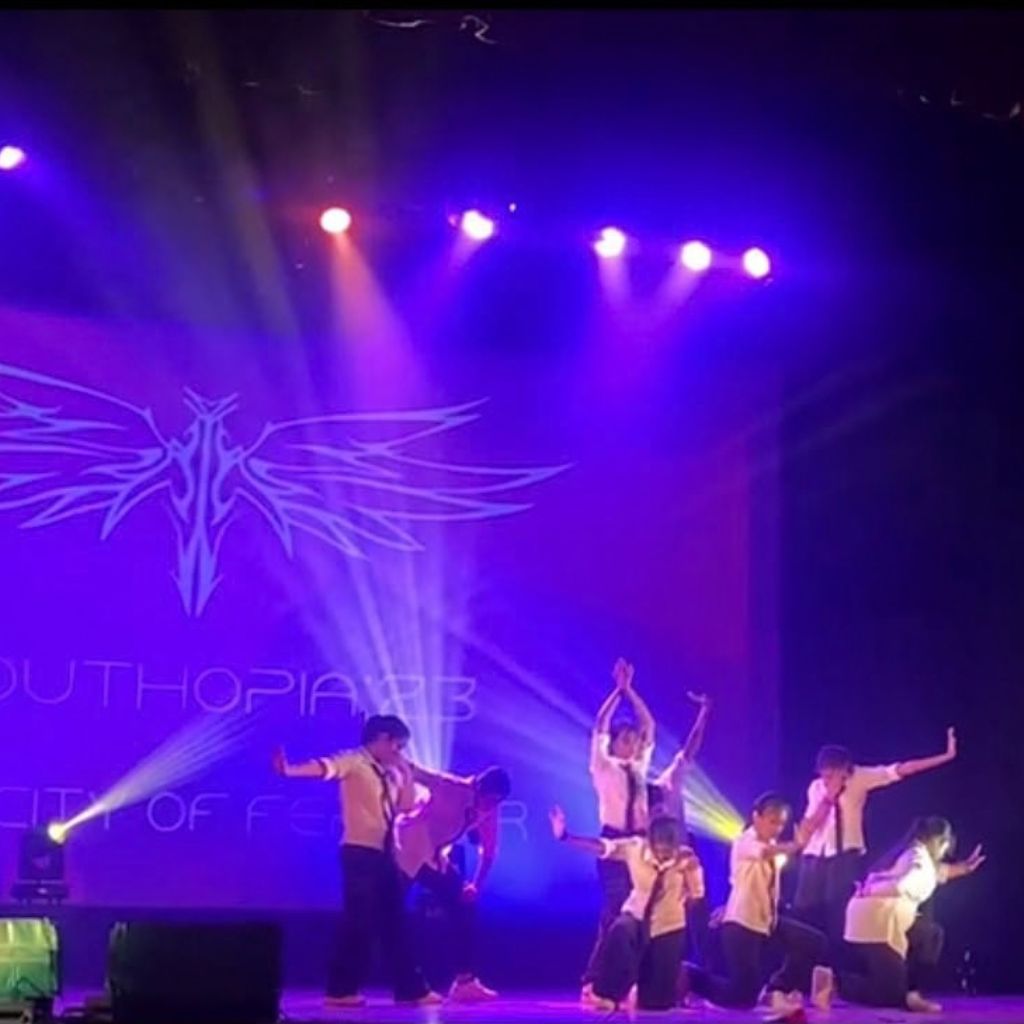
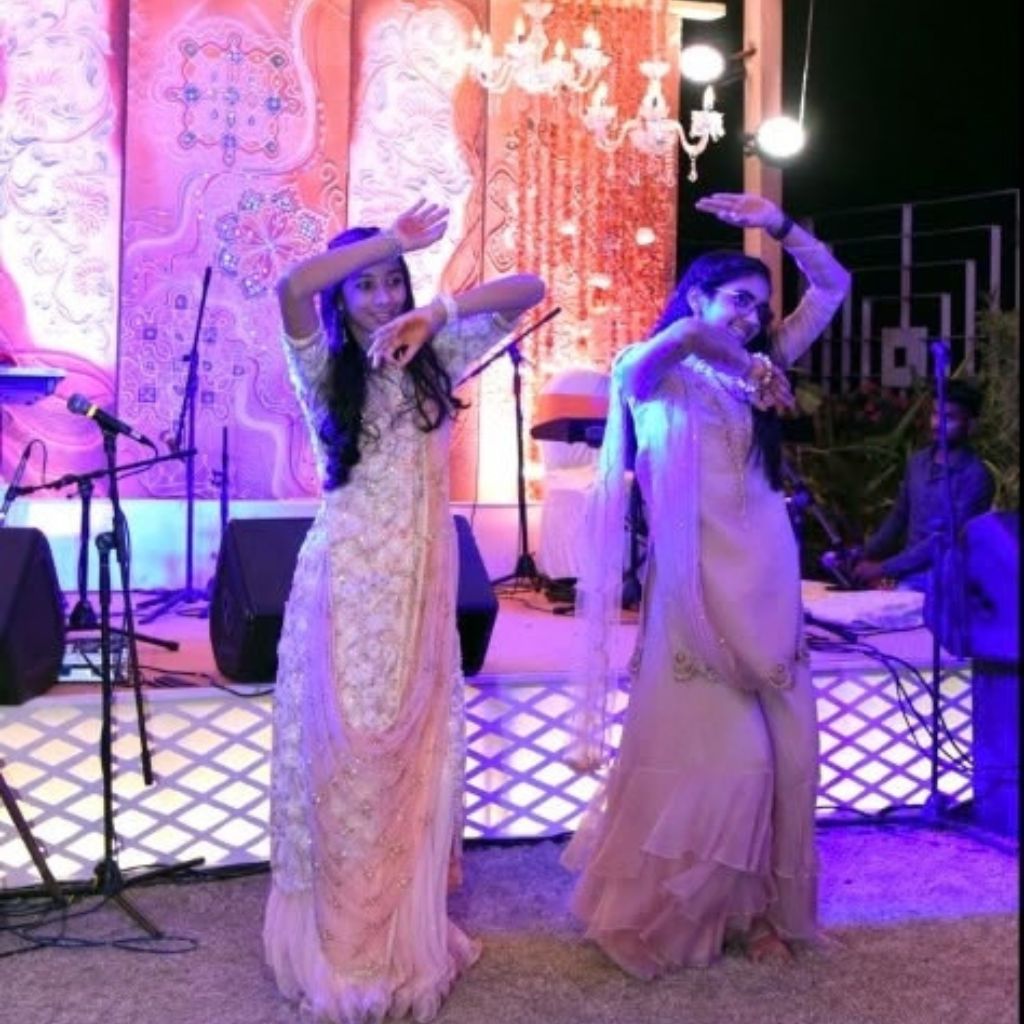
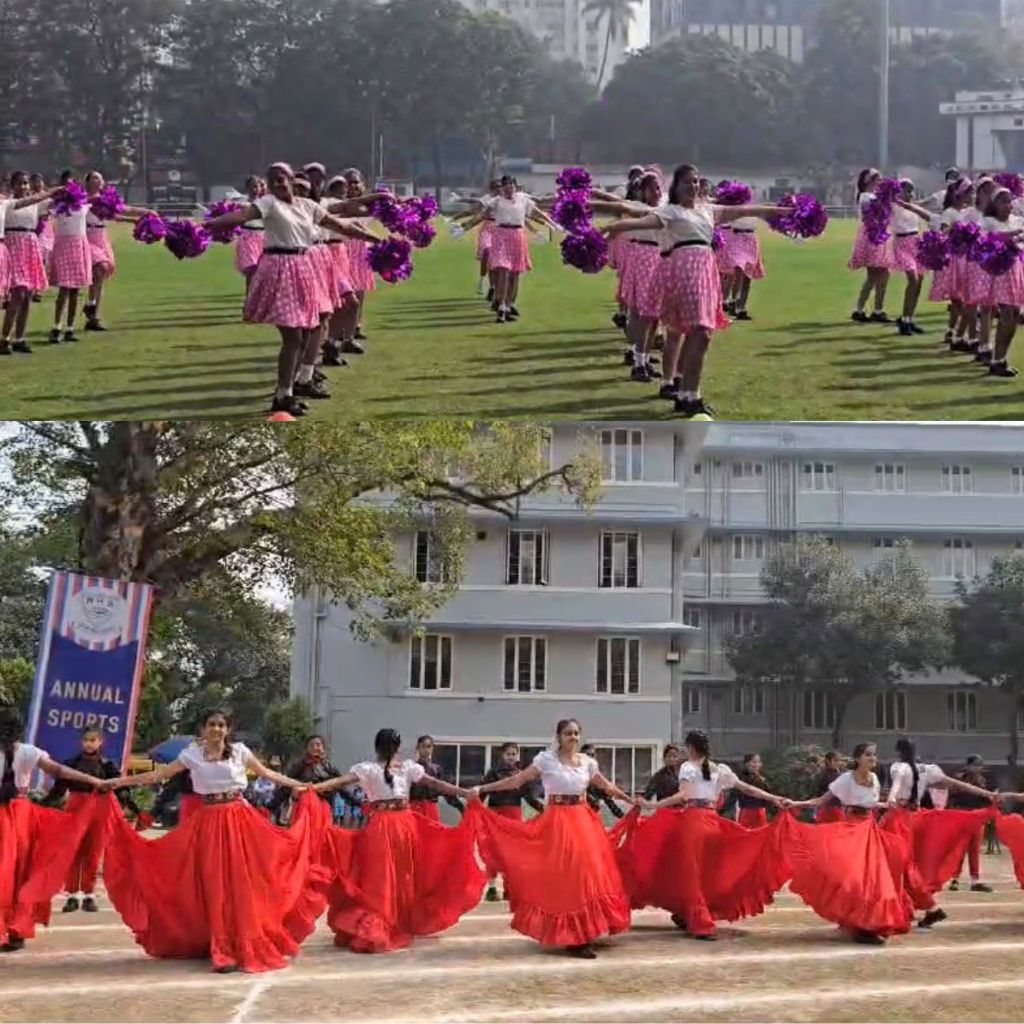
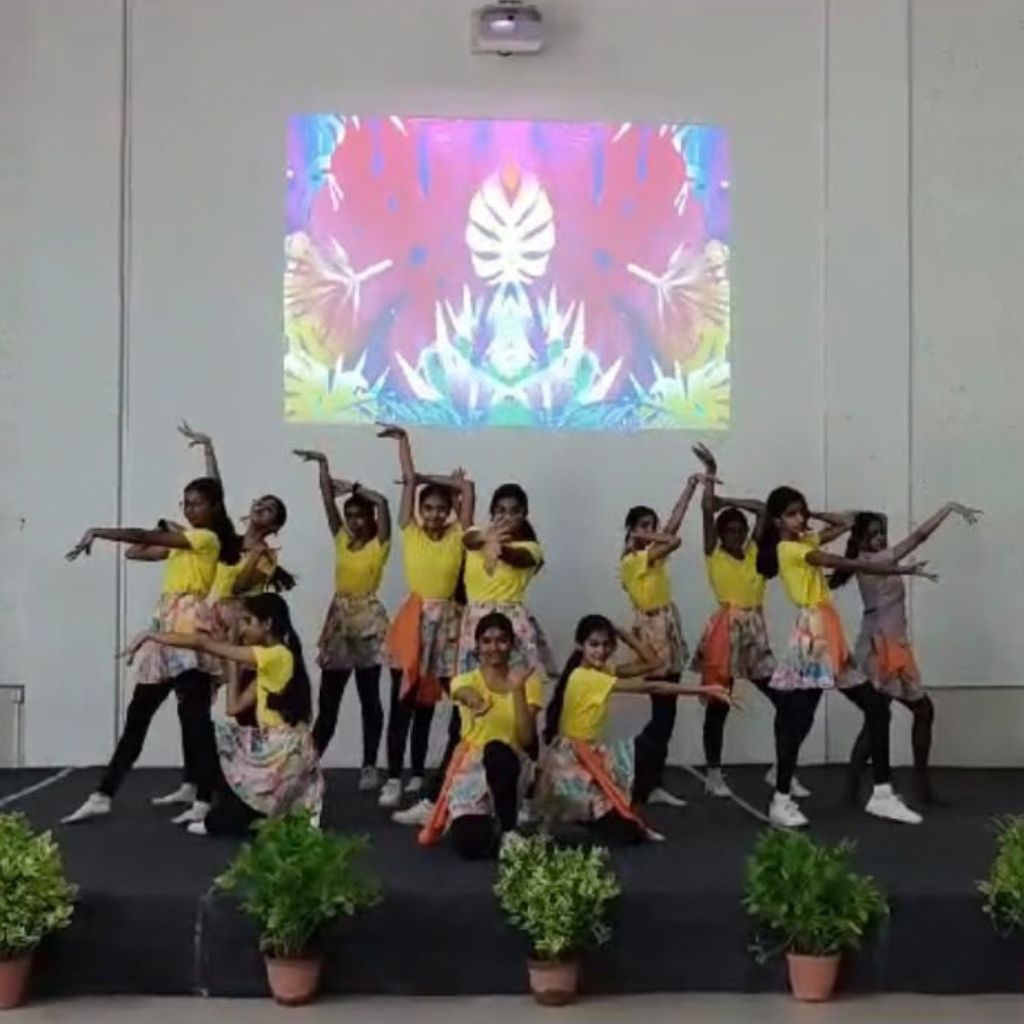
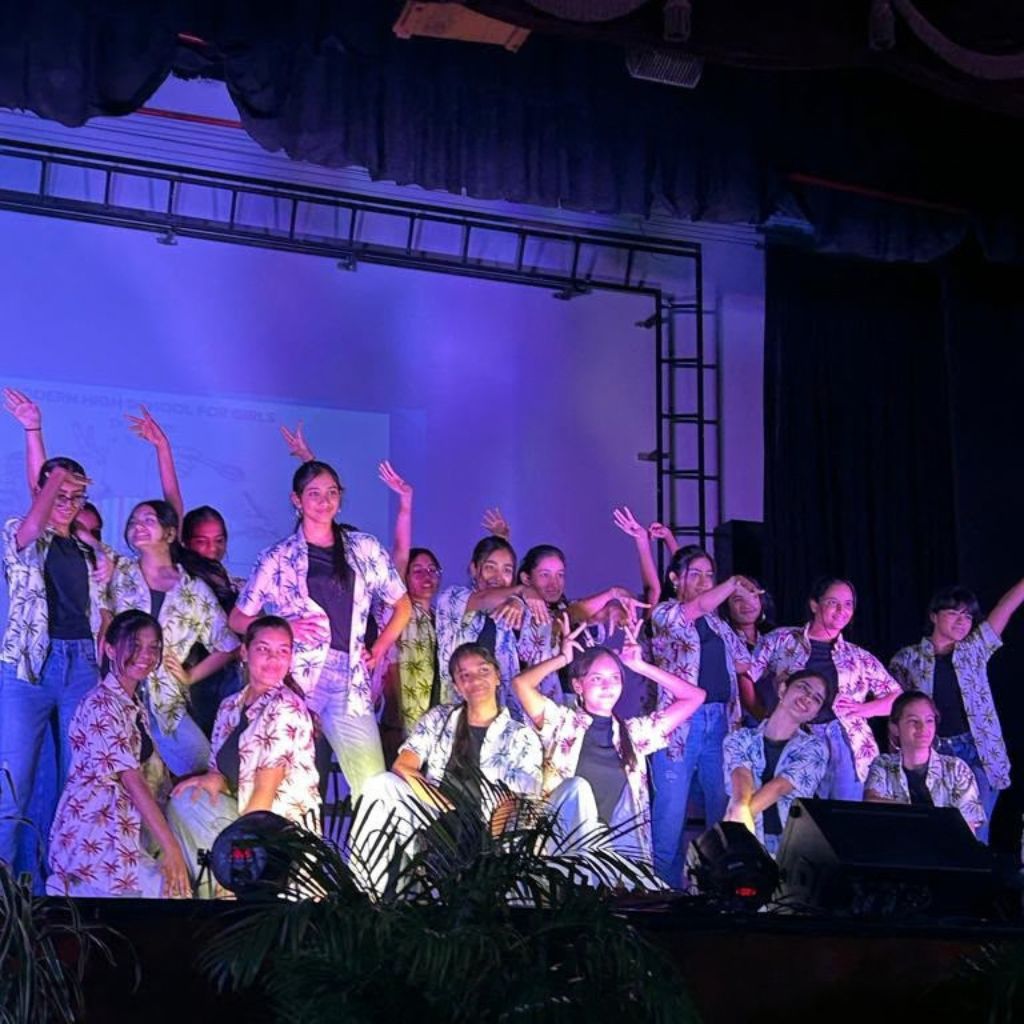
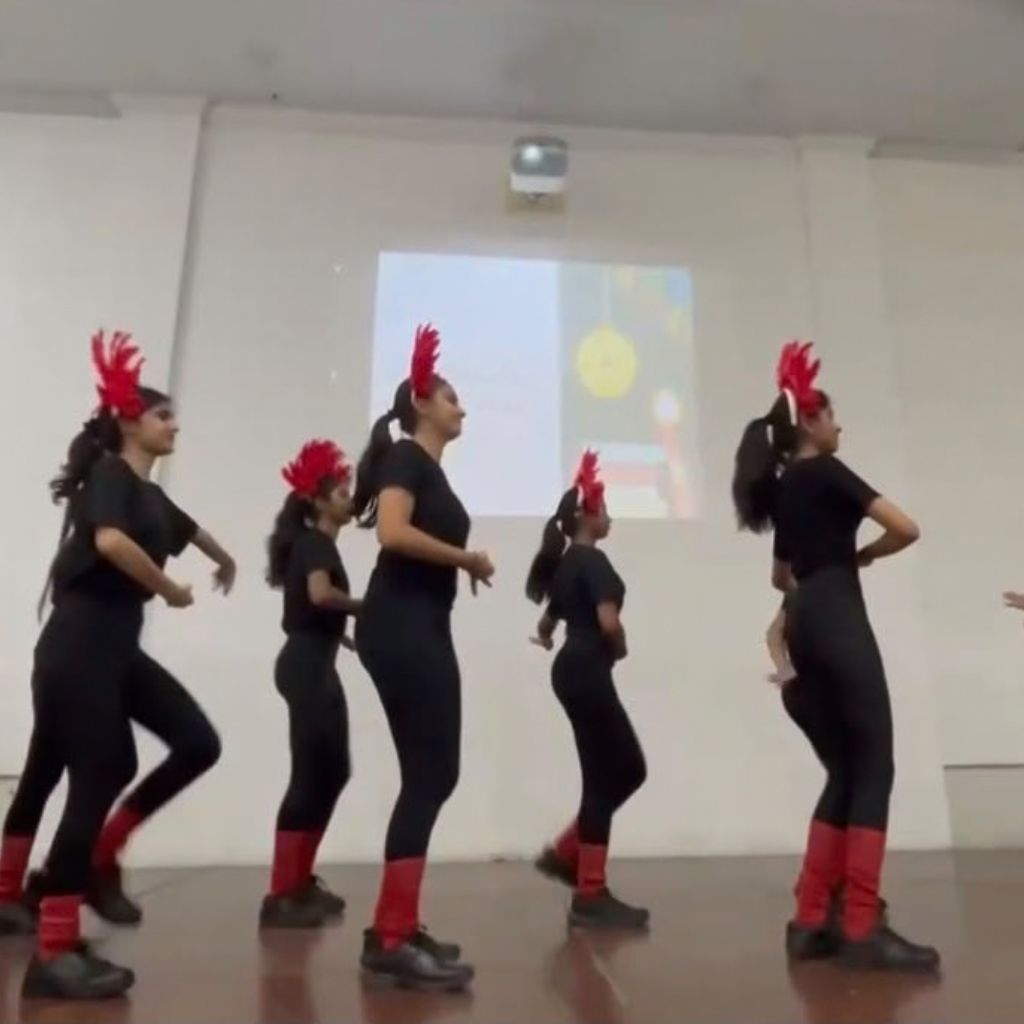
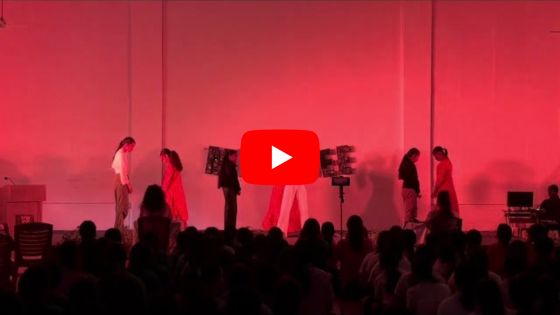
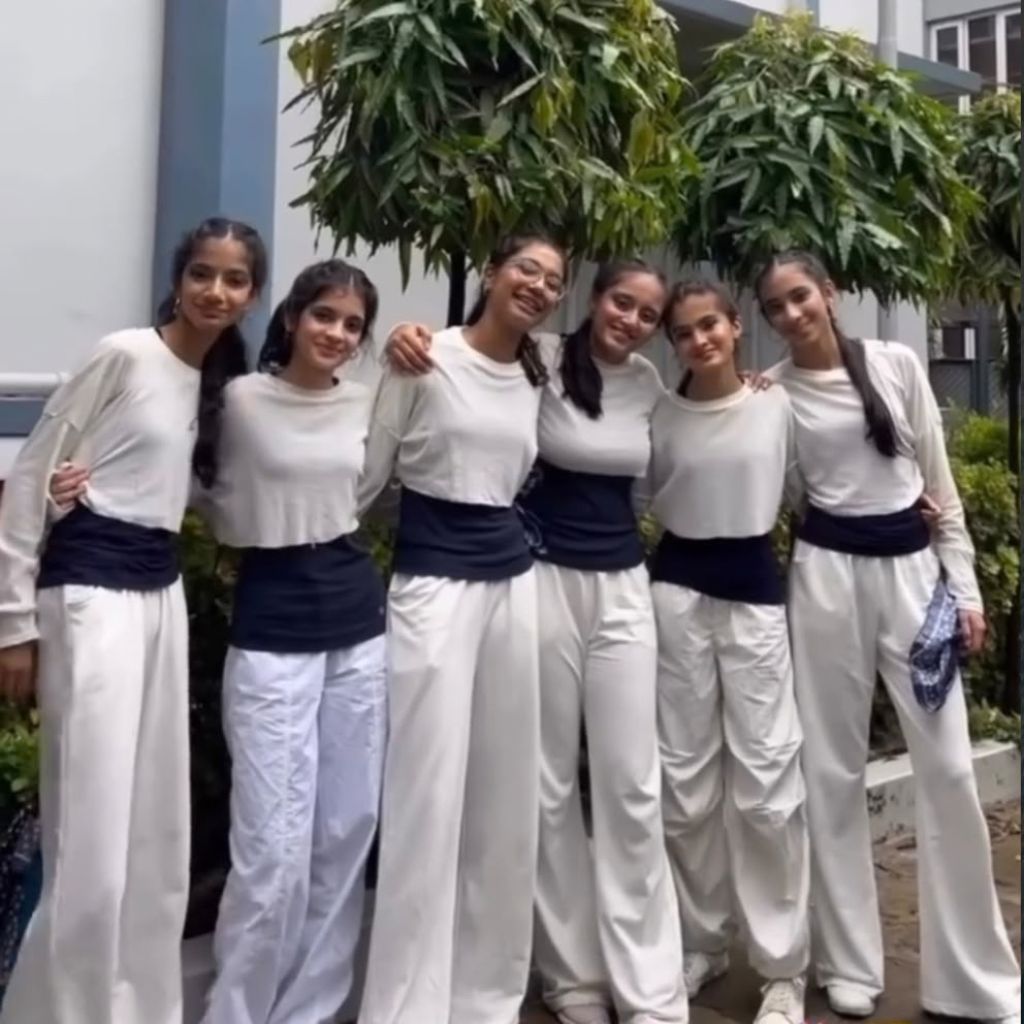
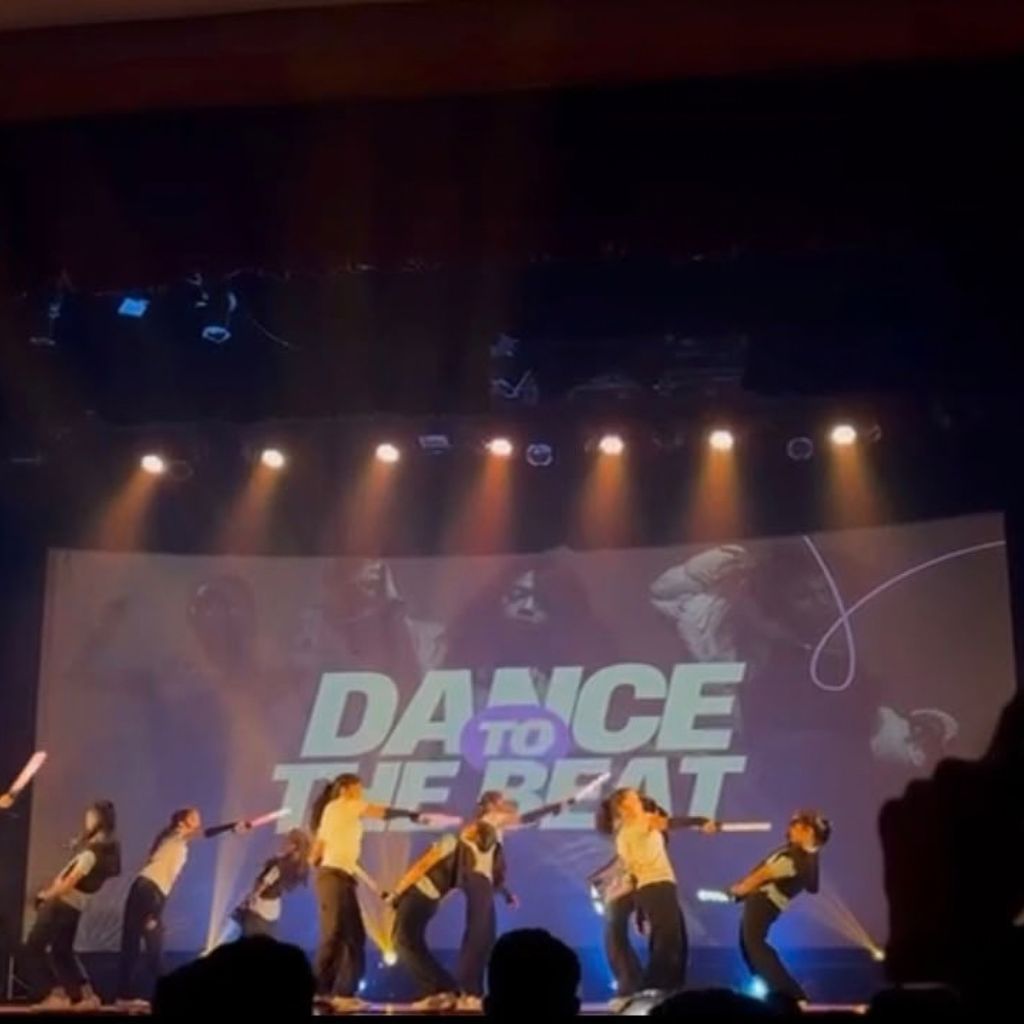
I’ve been dancing since I was five, beginning with seven years of Odissi training before exploring Western styles such as hip-hop, contemporary, Chinese, and Jamaican dance. From years of rehearsals and interschool competitions to performing with my school’s Footloose Dance Club, dance has taught me discipline, creativity, confidence, and the importance of working together. Interestingly, I often find myself applying those same lessons when approaching business challenges.

Beyond academics and dance, I enjoy being involved in initiatives where I can make a difference. As a leader of my school’s Peer Support Group and a representative coordinating over 140 students at Xuberance, I’ve discovered how much I enjoy bringing people together. I’ve also grown up contributing to Pehchaan, an initiative started by my sister to empower women and young girls in our tea-estate communities, and I’m excited to play a bigger role in carrying it forward.

At seventeen, I know I’m only beginning to discover what I want to do. But every research project, internship, dance performance, and new experience has helped me understand myself a little better.

I’m proud to be part of a business legacy built over five generations, but what excites me most is the opportunity to bring my own ideas, perspectives, and creativity into its future.

For me, it’s not just about carrying forward a legacy. It’s about learning enough, exploring enough, and challenging myself enough to create something meaningful of my own.

  • RoutinePassion
  • ExpectationExpression
  • MovementMeaning

“I didn’t choose dance at five. Somewhere along the way, I chose to never leave it.”

“My story began with a legacy, but the chapters ahead are mine to write.”

“I don’t just want to inherit a legacy. I want to understand it, challenge it, and contribute something of my own.”

“Leadership has taught me that bringing people together matters more than standing ahead of them.”

“Some of my greatest lessons have come from classrooms. Others have come from dance floors, factory visits, and conversations over tea.”
Research

2 research projects

“Five generations built the foundation. I’m discovering what I can build upon it.”
01

Impact of Packaging on the Purchase of Premium Teas

Growing up around my family’s tea business made me curious about something I had never really questioned before — why can the same tea feel completely different depending on how it is presented?

For this research, I explored how packaging influences the way consumers perceive premium tea, looking at elements such as design, origin, freshness, sustainability and gifting value. What interested me most was understanding that packaging is not just about making a product look attractive. It can help communicate where the tea comes from, how it should be stored, why it is different and what makes it worth choosing.

The project became especially meaningful when I began applying my findings to Bateli, our family tea brand. It made me think about how a brand can improve its packaging and storytelling without losing the accessibility and familiarity that existing customers already value.

More than anything, this research taught me to look at packaging as the bridge between the quality of a product and the person buying it.

02

The Business of Influence: Evaluating Iconic Indian Ad Campaigns

I have always found it interesting that there are advertisements I remember even when I have not seen them for years. A phrase like “Daag Achhe Hain” or “Kuch Meetha Ho Jaaye” immediately brings a brand to mind, and I wanted to understand why.
In this paper, I studied ten well-known Indian campaigns, including those by Amul, Surf Excel, Paytm, Cadbury, Vodafone, Fevicol and Tata Tea, and looked at how humour, emotion, cultural relevance, timing and storytelling helped them connect with consumers.

What surprised me was how differently each brand built that connection. Amul used topical humour and consistency, Cadbury became part of Indian celebrations, Paytm responded quickly to a major change in consumer behaviour, while Tata Tea used its advertising to speak about issues beyond the product itself.

Doing this research made me much more interested in consumer behaviour and brand strategy. I learnt that successful advertising is not only about selling something — it is about understanding what people relate to, remember and feel connected to.

For me, that is what makes marketing so interesting: the product matters, but so does the story people attach to it.

Dance

Thirteen years. One constant.

“Dance taught me how to express myself. Business is teaching me how to turn ideas into impact.”
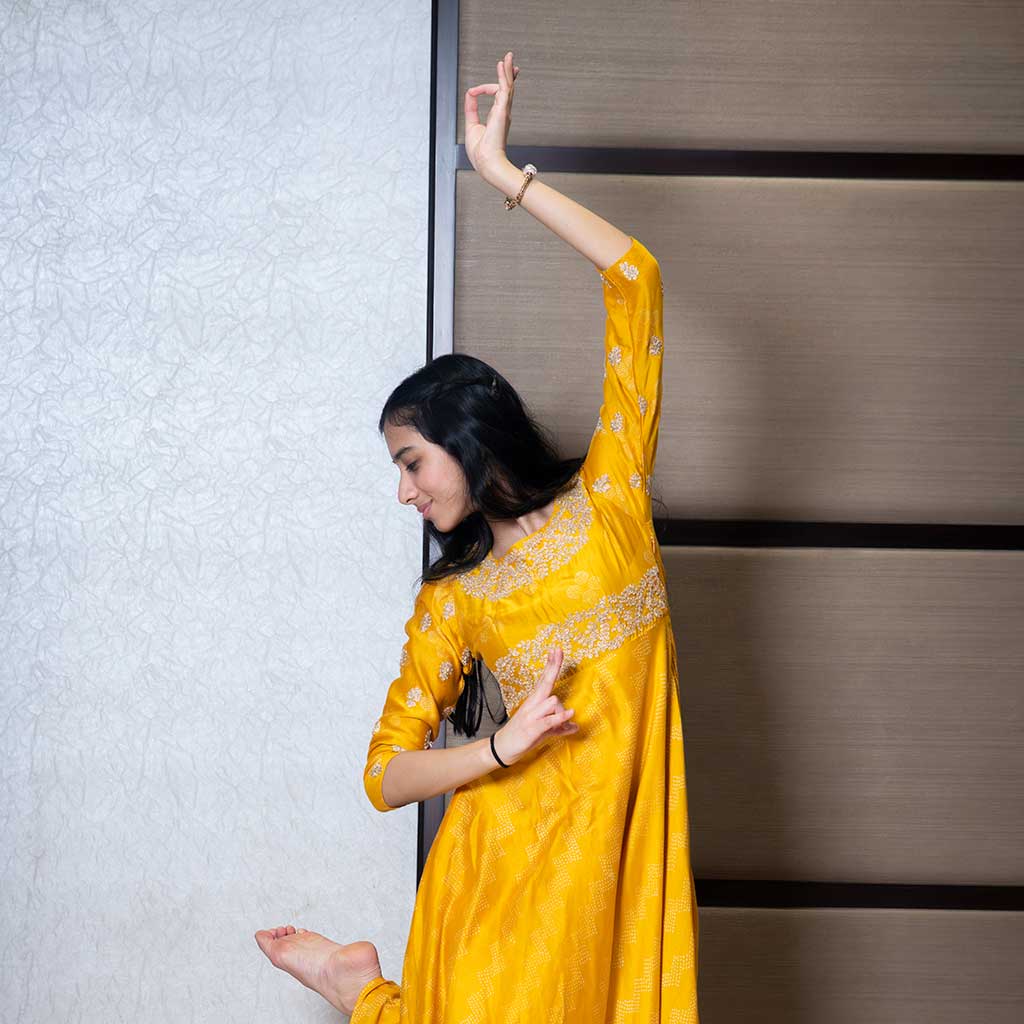
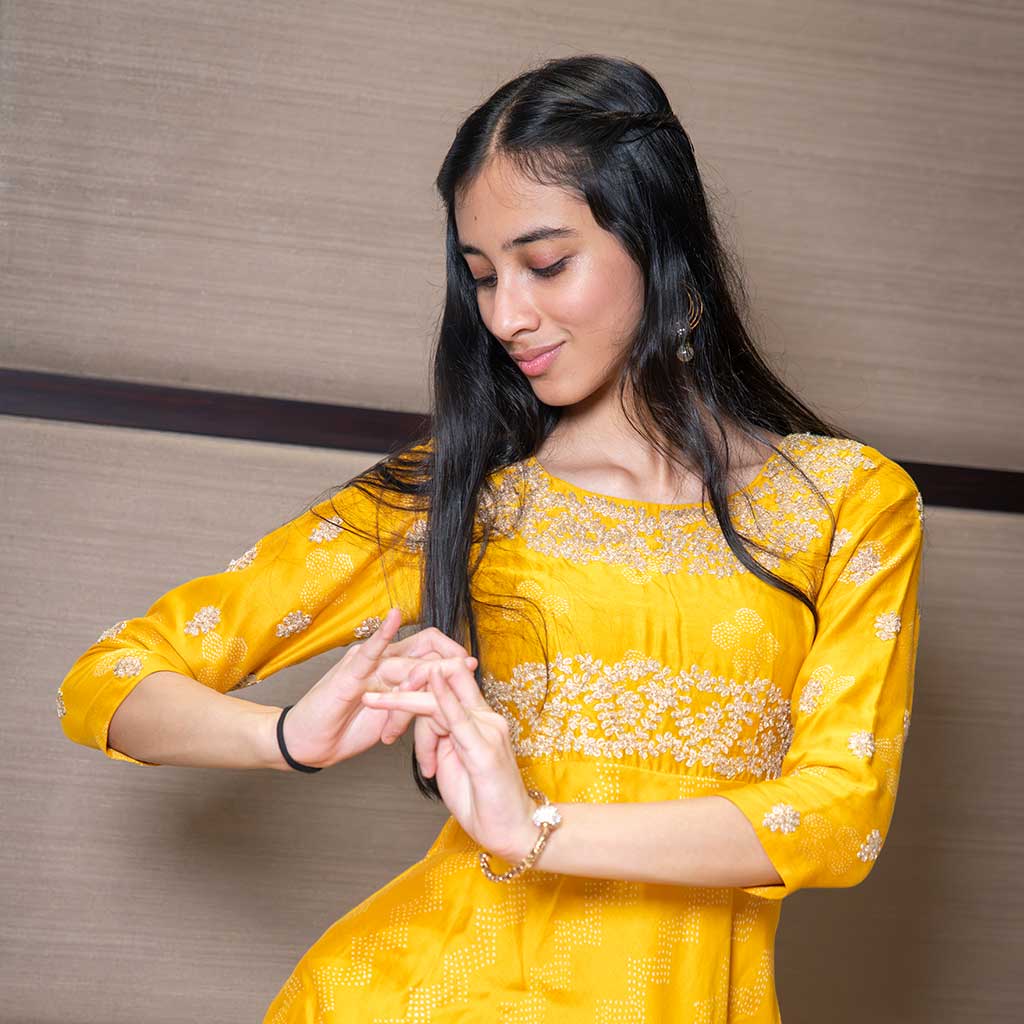
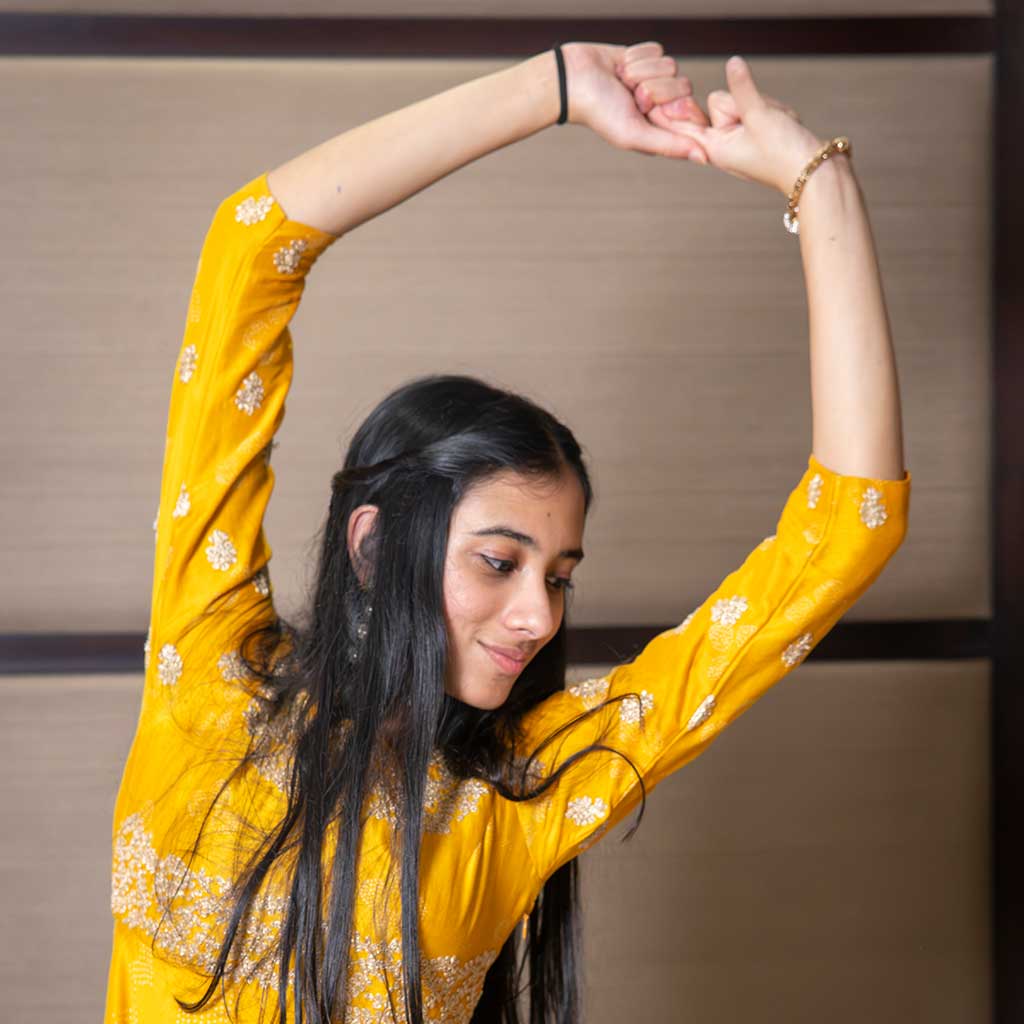
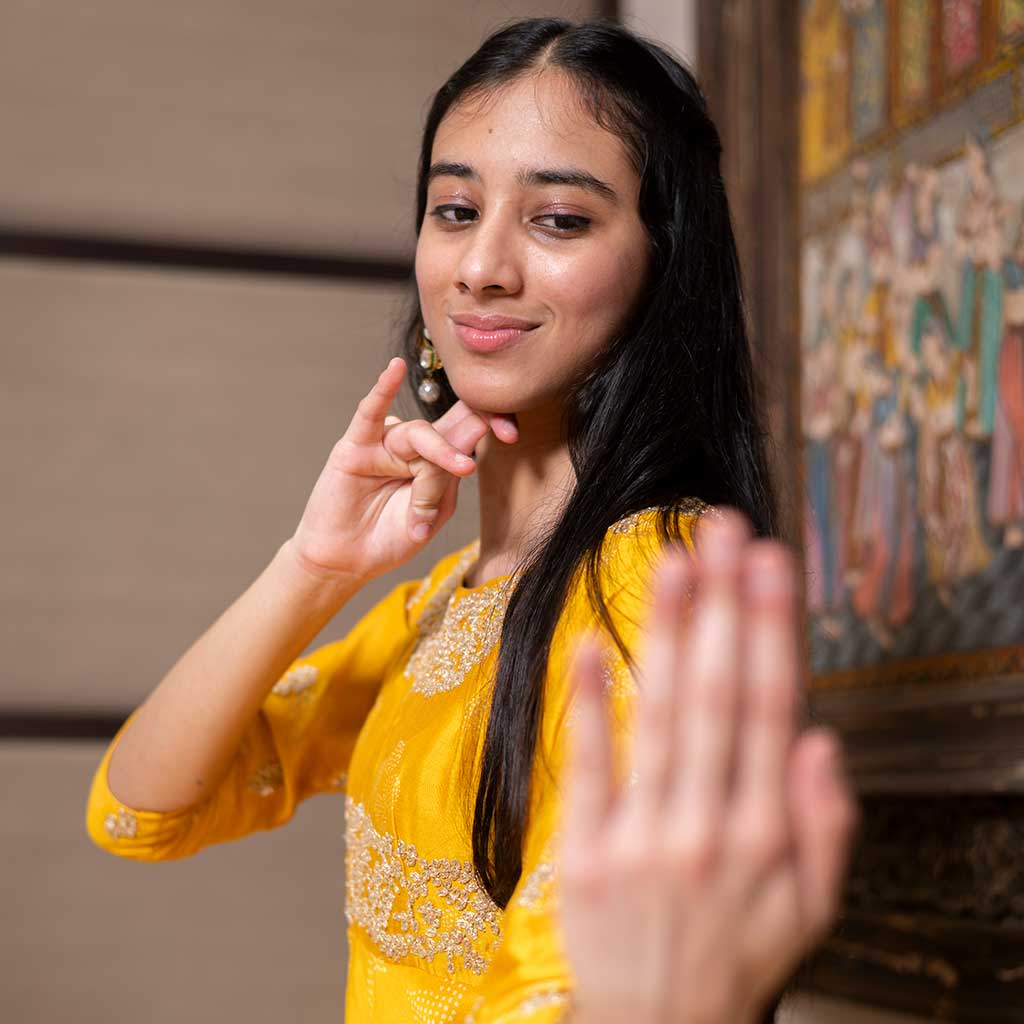
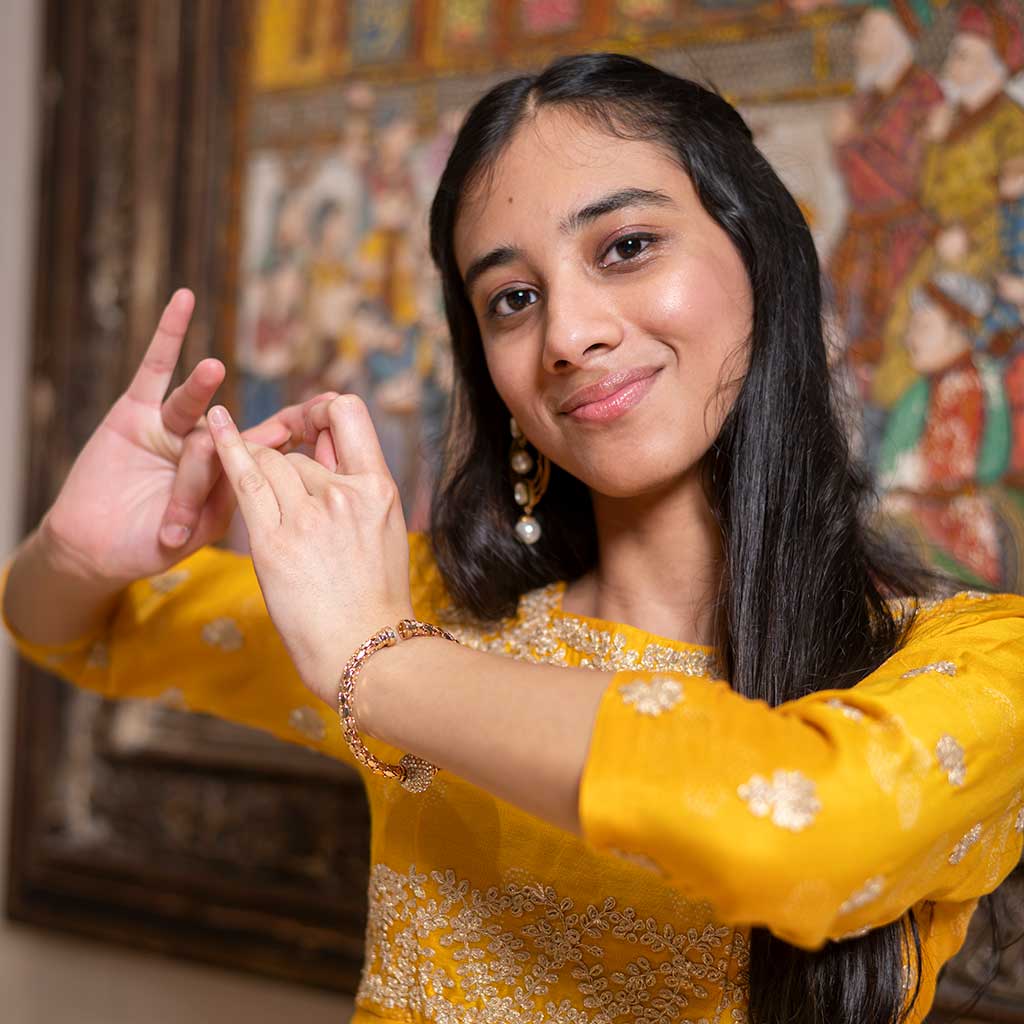
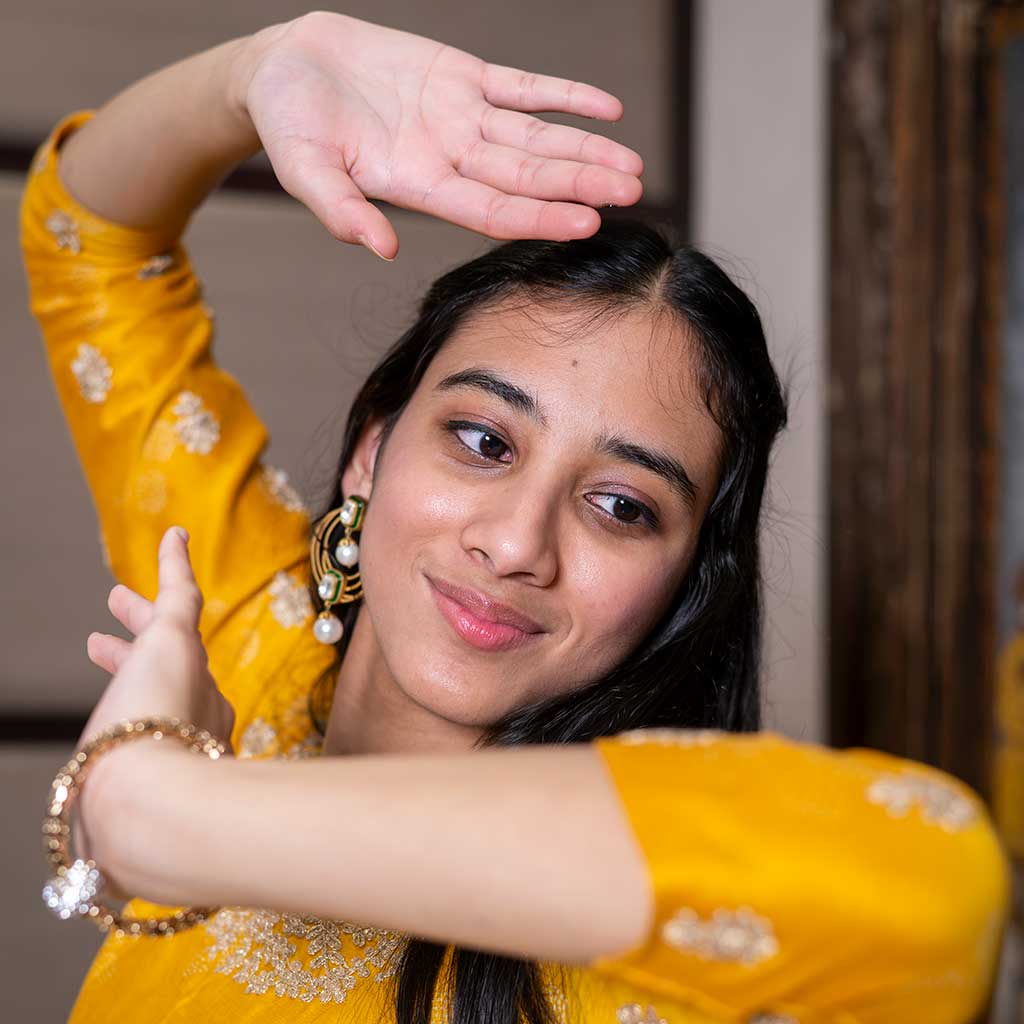
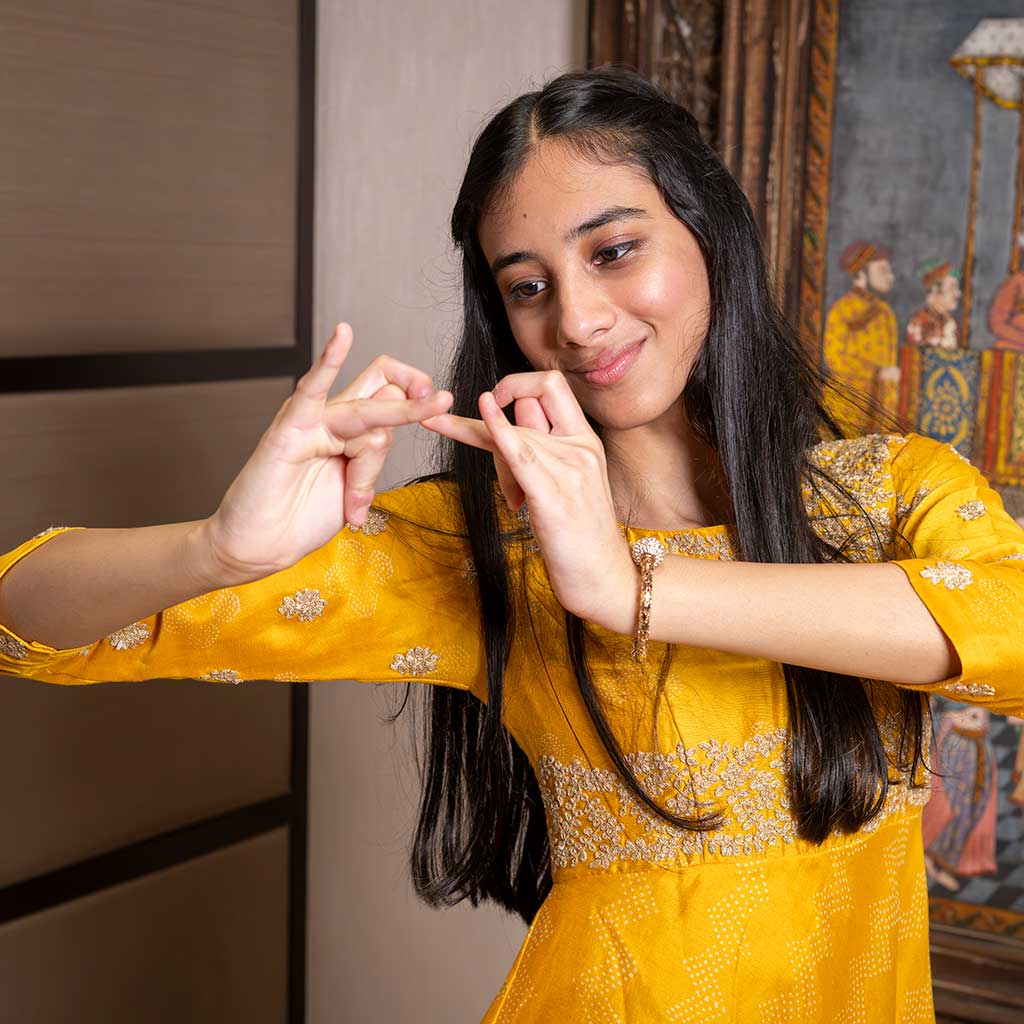
Jahnavi in a mustard kurta holding an Odissi hand gesture

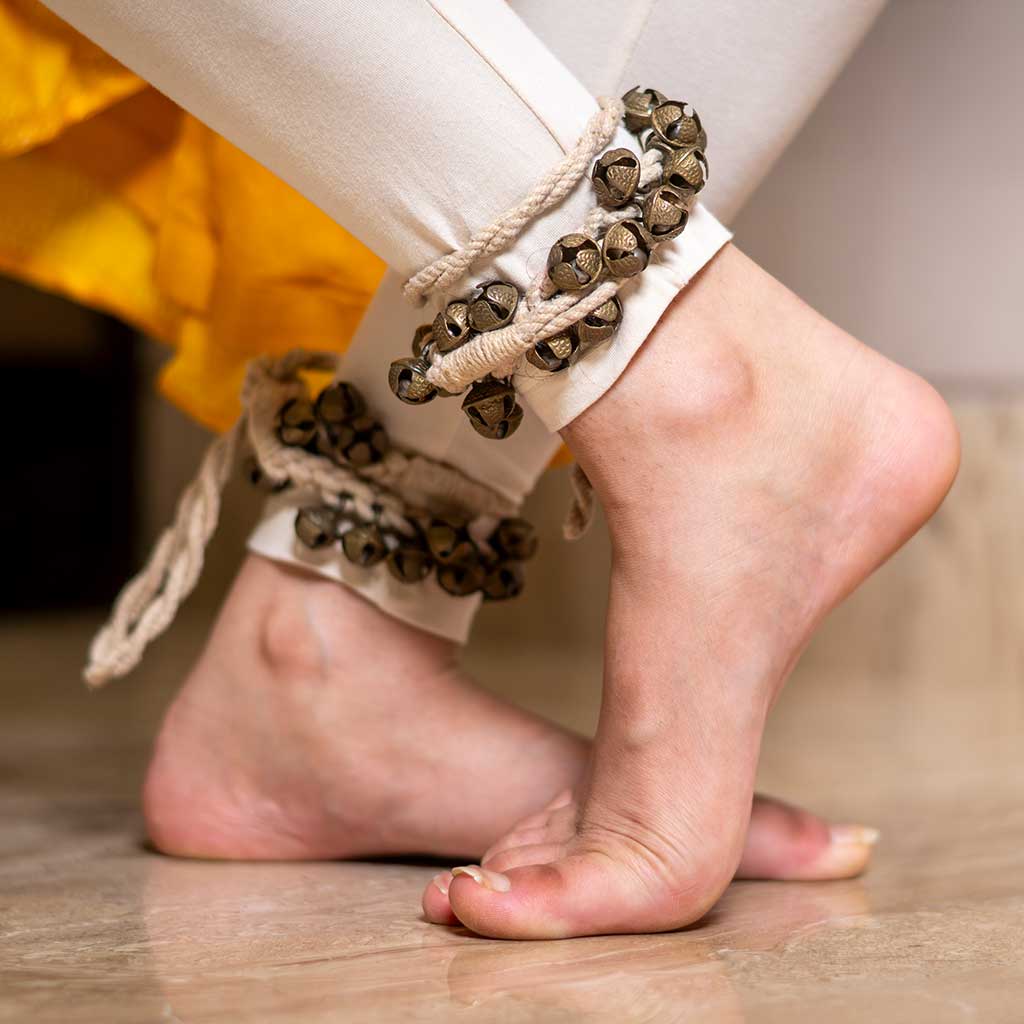
Odissi & Footloose

8+ years of classical training.
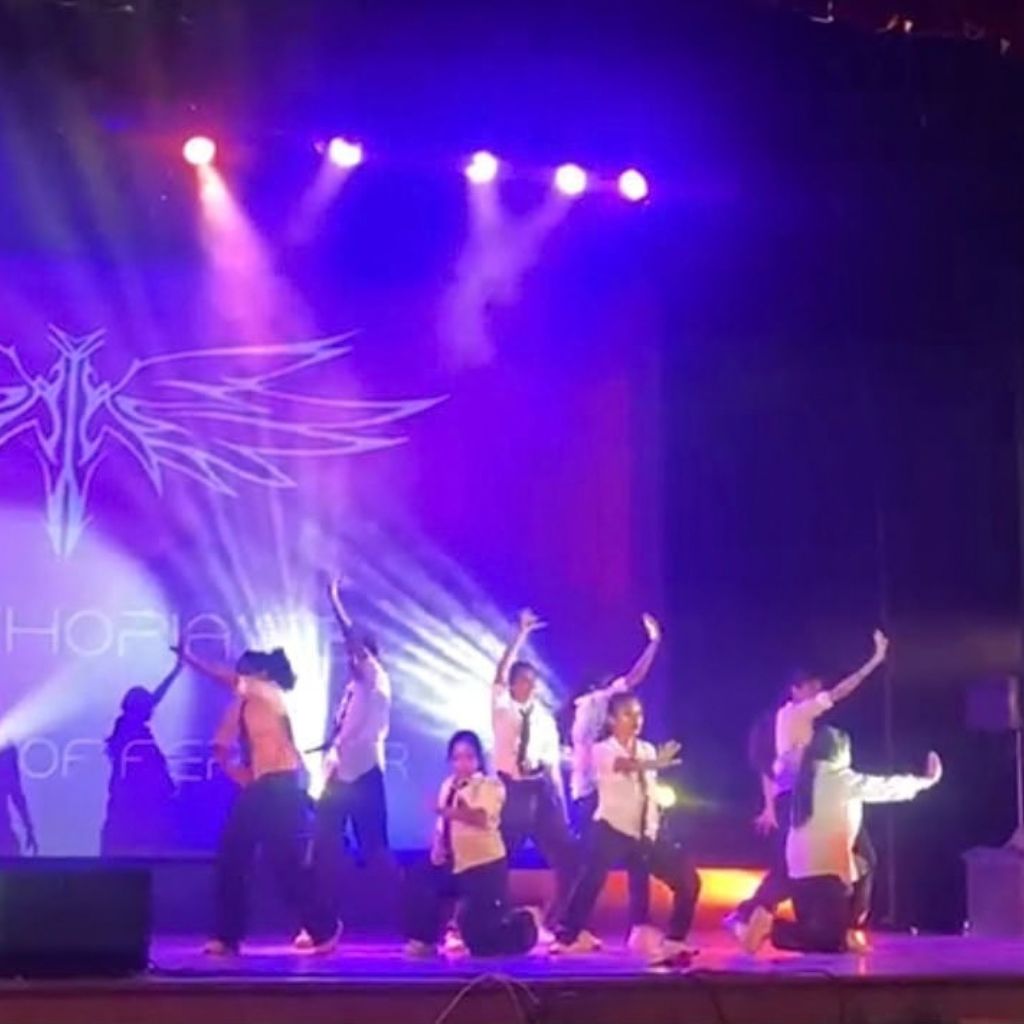
Footloose member since Class 6.

Classical roots. Collective expression.

Recommendation Note from Mrs. Dona Ganguly

What Dance Taught Me

DISCIPLINE
To keep showing up even when progress feels slow.

RESILIENCE
To make mistakes without allowing them to define the next attempt.

CONFIDENCE
To walk onto a stage despite the nerves.

TRUST
To rely on a team and allow them to rely on me.

CREATIVITY
To see that there can be more than one way to tell the same story.

ADAPTABILITY
To move between classical and contemporary forms without losing my own identity.

PRESENCE
To stop thinking about what came before or what comes next and inhabit one moment completely.

COMMITMENT
To stay with something long enough for it to become part of who I am.

More Than Dance

Dance has shaped parts of me that extend far beyond the stage.

It has taught me to be disciplined without losing creativity.

To take correction without fearing failure.

To collaborate without losing individuality.

To remain calm when something unexpected happens.

And to understand that confidence does not mean never being nervous—it means stepping onto the stage anyway.

These are lessons I carry into my classroom, my friendships and the way I approach unfamiliar challenges.

I may have spent thirteen years learning how to dance.

But in many ways, dance spent those thirteen years teaching me how to grow.

“Technique taught me control. Performance taught me courage. Dance taught me freedom.”

Tea Testing

From Growing Up Around Tea to Learning to Understand It

My first real step into a business I have grown up hearing about.

Tea has been part of my life for as long as I can remember. It has appeared in dinner-table conversations, visits to the gardens, packets lying around at home and discussions about quality, buyers, prices and blends that I usually listened to without completely understanding.

As the fifth generation of my family growing up around the tea business, I have always known that one day I would like to contribute to it. But I didn’t want my connection to tea to exist only because of my surname or family history. I wanted to begin learning the business for myself — and I wanted to start from the product itself.

So, while still in Class 12, I entered the tasting room.

What started as an attempt to understand the difference between one cup and another became one of my first experiences of looking at the family business not as a child who had grown up around it, but as someone who was genuinely curious about how it worked.

My First Surprise: I Knew Much Less Than I Thought

Before this experience, I could tell you whether I liked a cup of tea.

That was about it.

I have loved tea since I was a child. Once I started tasting professionally, I realised how much information can exist inside something as ordinary as a cup of tea — aroma, colour, body, briskness, strength, mouthfeel, leaf appearance and even faults created during processing. Suddenly, “strong” or “nice” didn’t seem like very useful descriptions anymore.

Tea tasting taught me that developing a palate isn’t about having some magical ability. It comes from comparison, repetition and paying attention.

That was reassuring because, at seventeen, I was obviously not entering the tasting room as an expert. I was entering it as a beginner — and slowly learning how experts think.

A Cup of Tea Is Actually Full of Clues

One of the things I loved most about tasting was discovering how much you can learn without anyone telling you the answer first.

  • The dry leaf gives you one set of clues.
  • The infused leaf gives you another.
  • The colour of the liquor tells you something else.
  • Then comes the aroma, taste and feel of the tea in your mouth.

A professional taster isn’t simply asking, “Do I like this?” They are thinking about what the tea is supposed to be, whether it has been processed correctly, how it compares with other teas and ultimately where it might fit commercially.

That was when I first began understanding that tasting sits at an interesting intersection of agriculture, manufacturing, consumer preference and business decision-making.

Internships

Jahnavi Dalmia · Class 12 · Summer 2026

Download the full research paper
“Some experiences have taught me how to lead. Others have taught me the importance of listening.”

Three Weeks in the Tasting Room

I grew up in a tea family. This summer, I finally learned how to taste it.

Born into tea, but new to tasting

My family has been in the tea business for 105 years, through the Bateli Tea Company. I can’t remember a time when tea wasn’t part of my life. It was the conversation at the dinner table, the smell on my father’s shirt when he came home, the foil sample packets lying on the sideboard that I wasn’t allowed to open.

I always knew there was a tasting room. I’d heard about it my whole life: the place where people in white coats slurped tea from spoons and decided what Bateli would buy and sell. But I had never sat at the bench myself. I loved tea. If you had asked me why one cup was better than another, though, I wouldn’t have had an answer.

So in the summer holidays before my Class 12 year got busy, I signed up for a three-week course in our tasting room, from 18 May to 5 June 2026. This page is the story of those three weeks: what I did, what I got wrong, and what I learned about tea and about myself.

Three weeks, three lessons

I came to taste and spent the first week learning to boil water. Every tea gets exactly 3 grams of leaf, 150 ml of water and the same five or six minutes, so that the only thing changing is the tea itself. It sounds simple. It isn’t. My first weighings were all over the place, I swapped two mugs and described an Assam as a Nilgiri for ten minutes, and by Wednesday my wrist ached from pouring in rhythm. At the end of the week I sat my first blind tasting and got 3 out of 10.
This was the week of the slurp: loud, on purpose, so the tea sprays across your whole mouth and the aroma reaches your nose. Then I caught a cold and lost my sense of smell. It felt like a disaster, but it turned out to be the most useful thing that happened to me. With no aroma left, I could finally feel the parts of tea I’d been ignoring: its body, its briskness, the way it grips your gums. By Friday I could tell a spring Darjeeling from a summer one, and I scored 6 out of 10.
In the last week, the vocabulary finally clicked. We tasted teas in pairs of opposites, such as brisk and soft, or bright and dull, and the words stopped being definitions and became sensations. We tasted deliberately faulty teas and traced each fault back to the step that caused it. On the final day I prepared and tasted ten blind cups on my own and scored 8 out of 10. My instructor wrote one word on my sheet: “Good.” I showed my father before I’d even taken my shoes off.
“Seventeen years of hearing about this room. Then, finally, I was inside it.”
“SLURP. Loudly. On purpose. Best class rule ever.”
“The tasting room was never a closed door. It was just a skill I hadn’t learned yet.”
“Some experiences have taught me how to lead. Others have taught me the importance of listening.”

Journey

Age 5 → Today

“My journey isn’t defined by one passion, but by the curiosity that connects them all.”
  1. 01

    Thirteen Years, One Constant

    For thirteen years, dance has been one of the few constants in my life. In a world where interests often change with time, I chose to stay committed to one art form and allow myself to grow with it. That continuity has taught me that mastery is not built overnight, but through showing up, learning, and choosing to continue.

  2. 02

    From Being Told to Choosing

    I began dancing at five because my parents enrolled me in classes. At the time, I never imagined that something I was simply expected to attend would become something I genuinely loved. Over the years, my relationship with dance changed from obligation to choice—and that shift made my commitment to it far more meaningful.

  3. 03

    Finding Expression in Movement

    Dance gave me a language beyond words. I learned that a movement can communicate an emotion, a pause can create meaning, and an entire story can unfold without a single sentence.

  4. 04

    Two Worlds of Dance

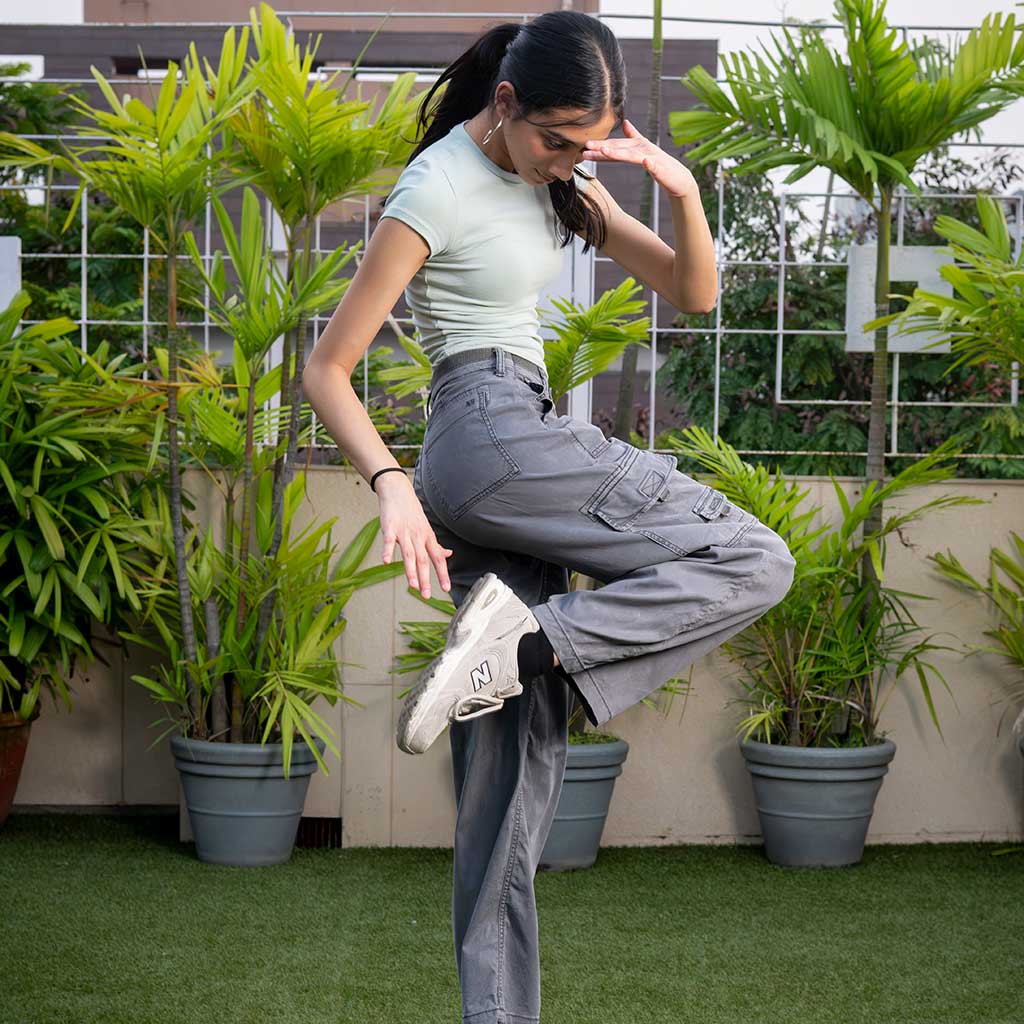
    Starting with Odissi introduced me to structure, precision, rhythm, and the discipline of classical training. Western dance later gave me a different vocabulary—one that encouraged experimentation and individuality. Moving between these forms taught me that different styles can coexist while allowing me to discover different sides of my own artistry.

  5. 05

    The Discipline Behind the Performance

    What audiences see on stage is only a fraction of what dance demands. Years of rehearsals have taught me patience, consistency, and the willingness to repeat something until it feels right. Dance taught me that improvement often happens quietly, through countless hours of practice that no one sees.

  6. 06

    Learning to Perform, Learning to Grow

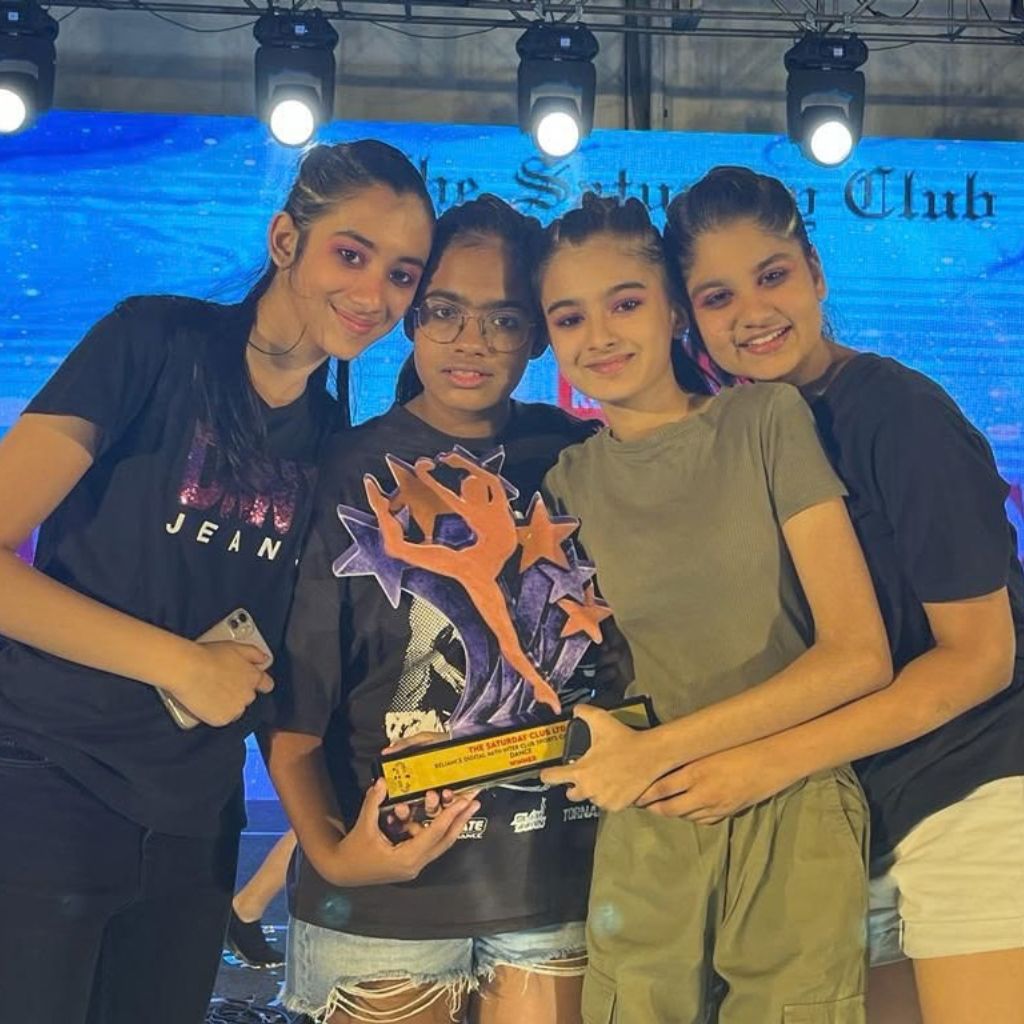
    Competitions and performances have pushed me beyond what feels comfortable. Each stage has taught me to manage nervousness, trust my preparation, respond to unexpected moments, and remain present. Winning awards has been rewarding, but the greater achievement has been becoming more confident with every performance.

  7. 07

    Growing With Footloose

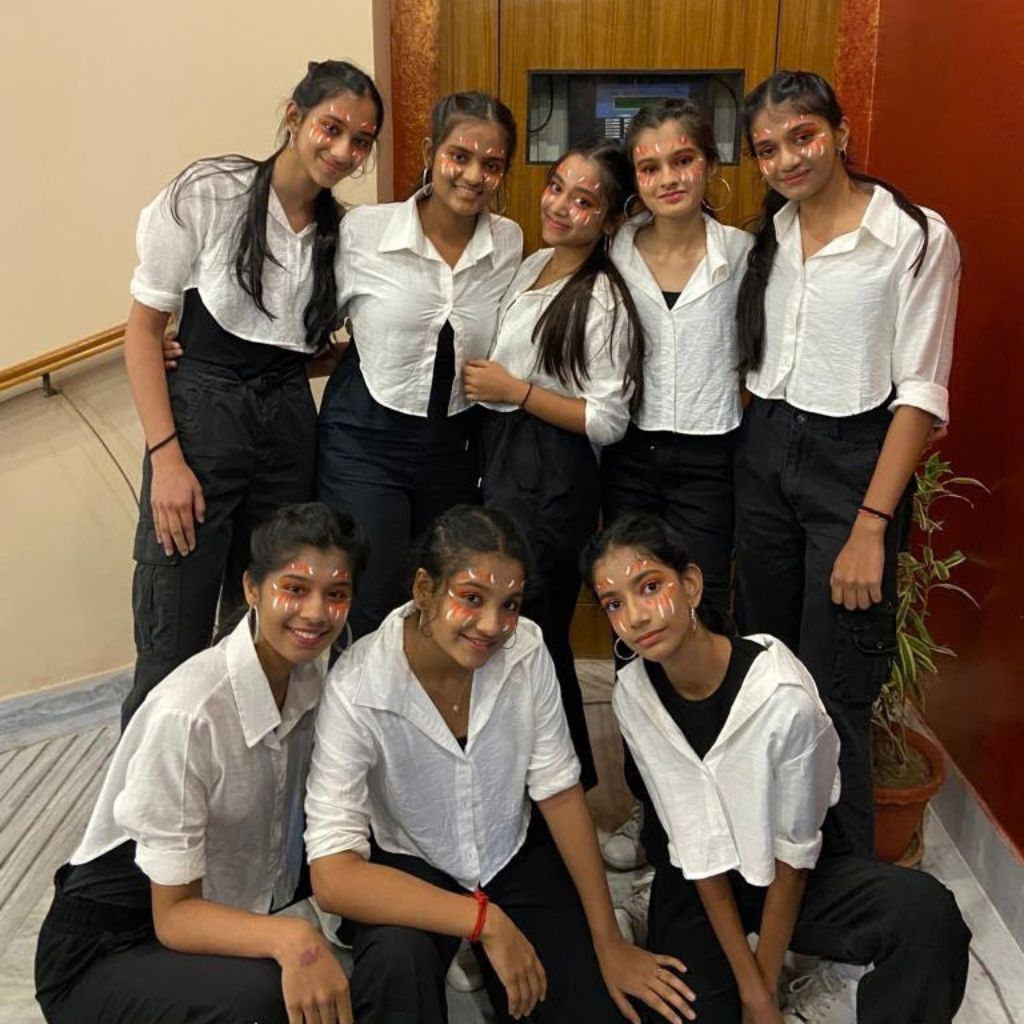
    Being part of Footloose since Class 6 has shaped my understanding of dance as a collective art. Performing as part of a team taught me that individuality does not disappear within collaboration; instead, every dancer contributes to a larger story. Rehearsing, performing, and growing alongside others has made some of my most meaningful dance memories.

  8. 08

    More Than an Art Form

    Over thirteen years, dance has become more than an extracurricular activity or a skill I have developed. It has influenced the way I approach challenges, creativity, and growth. Most importantly, it has taught me the value of committing deeply to something—not simply to become better at it, but to allow it to change me along the way.

“I grew up with dance. Somewhere along the way, dance grew up with me.”

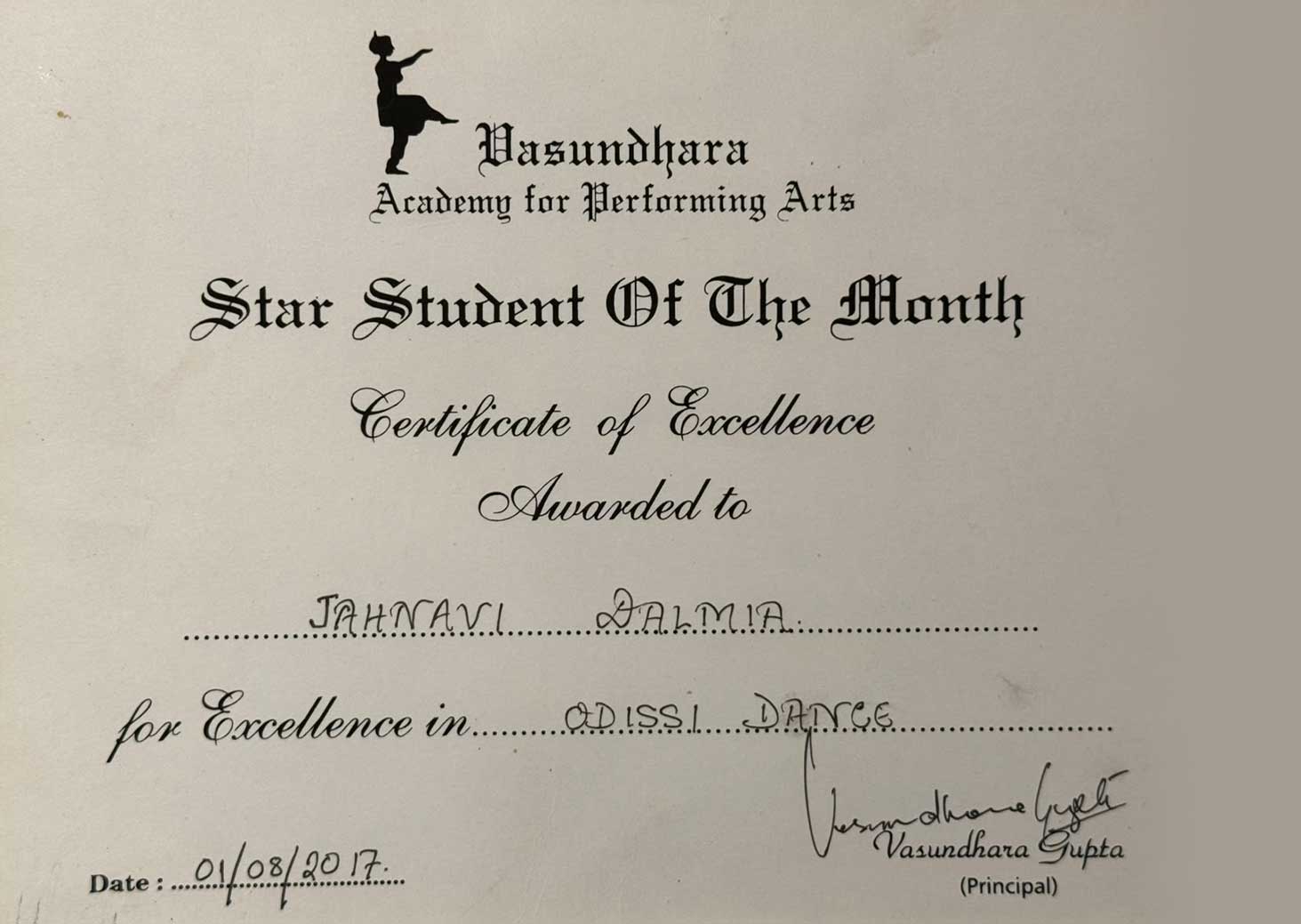
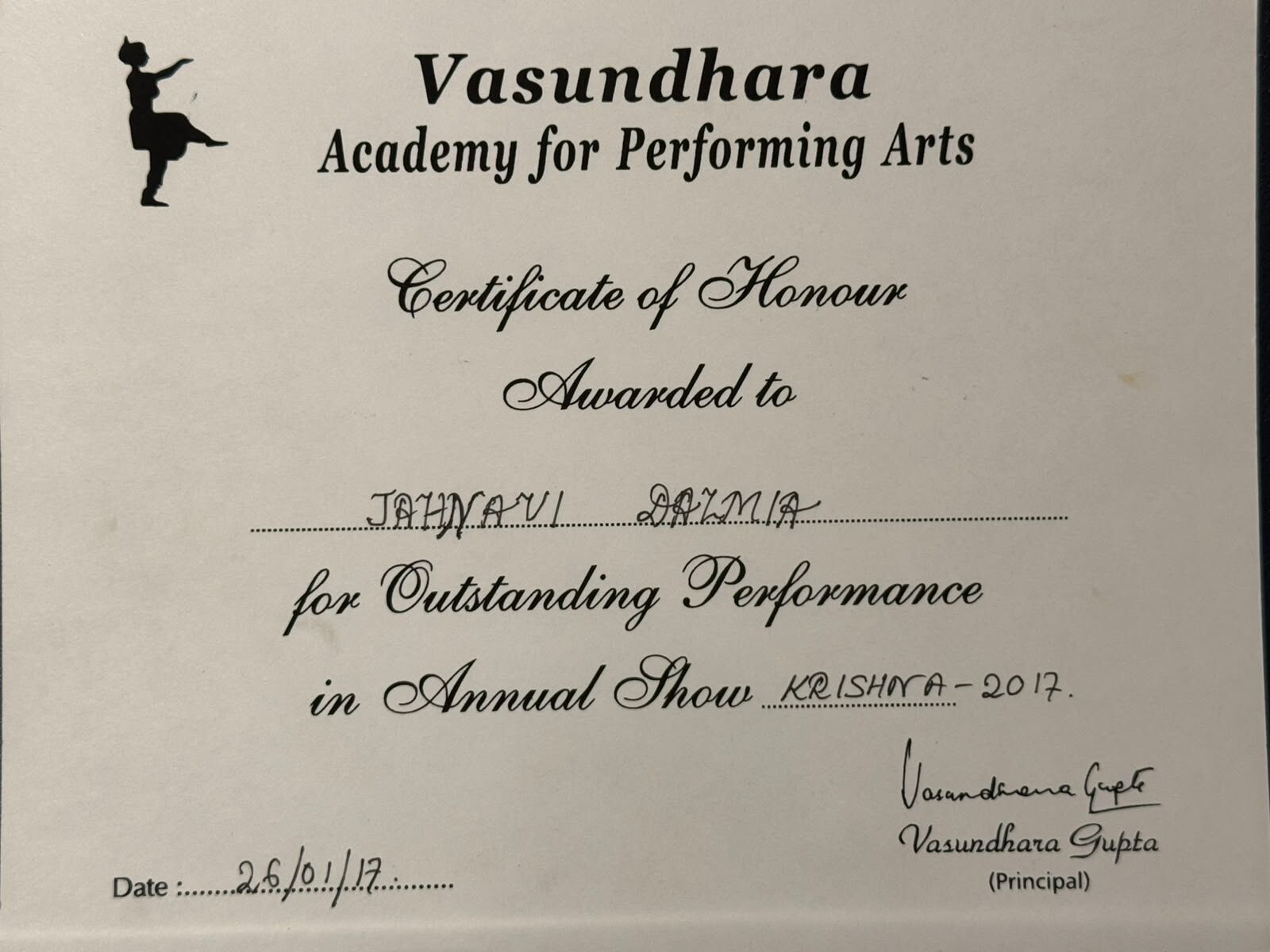
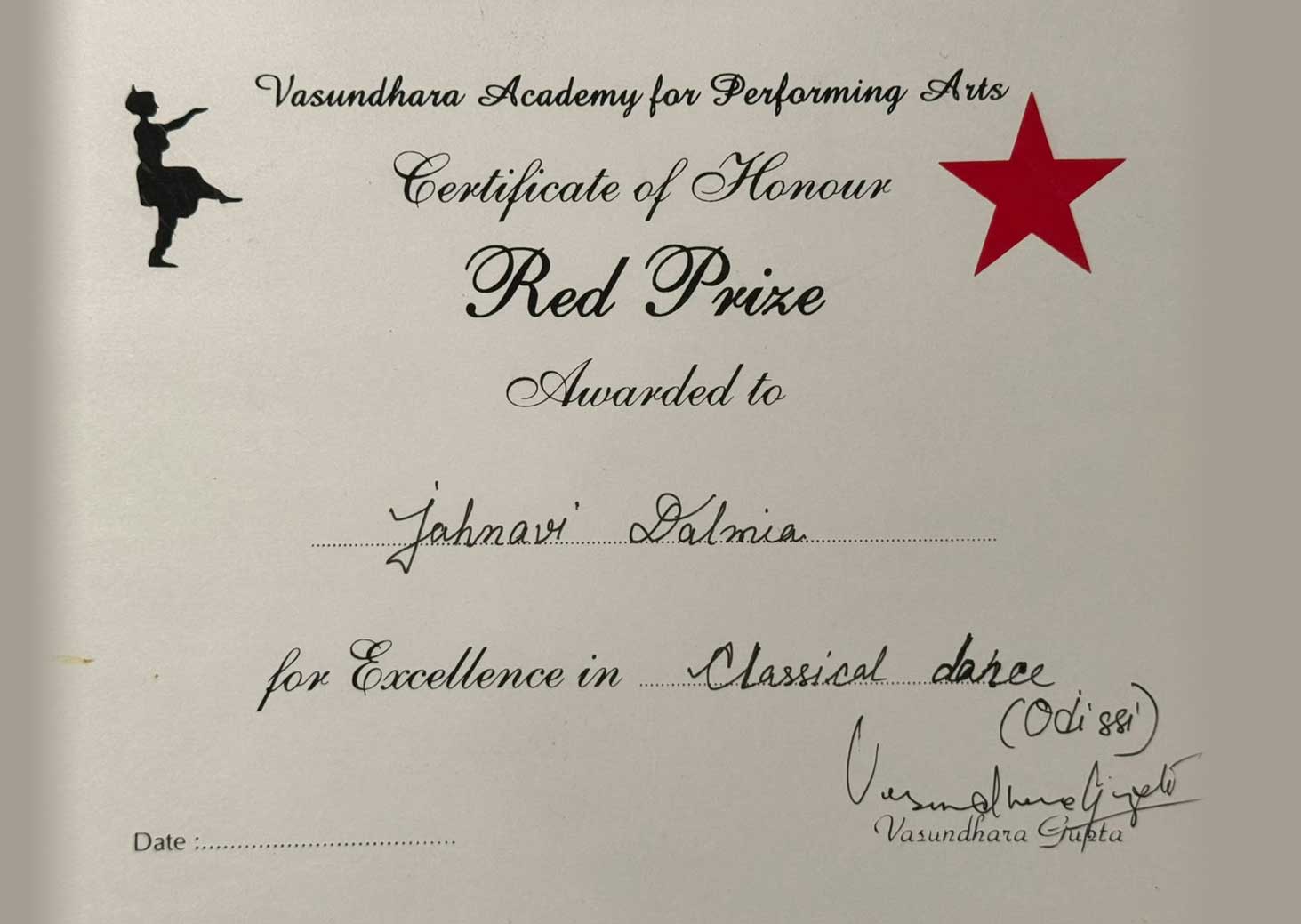
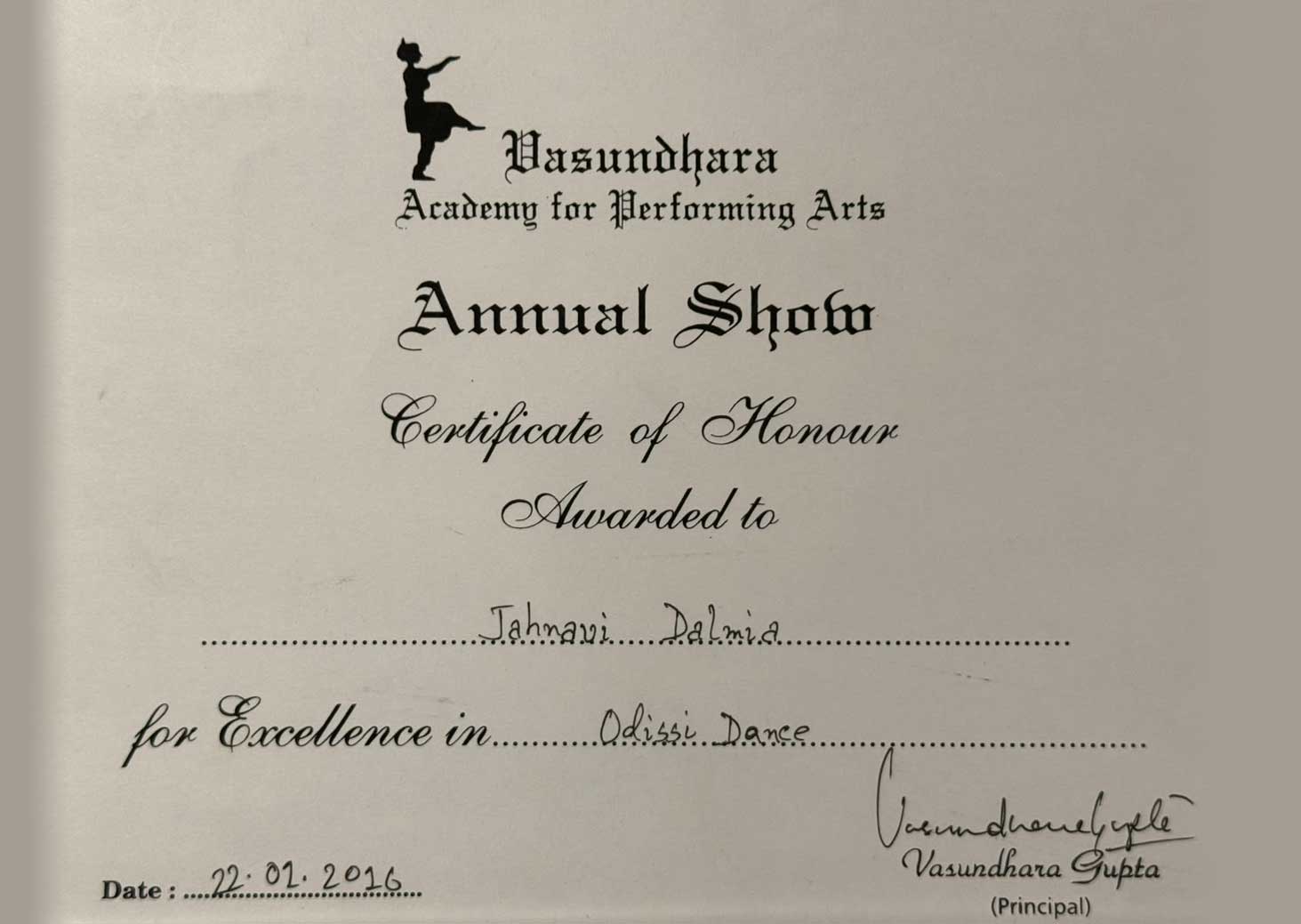
Certificates & Awards

Competing. Performing. Growing.

1st

Two consecutive years

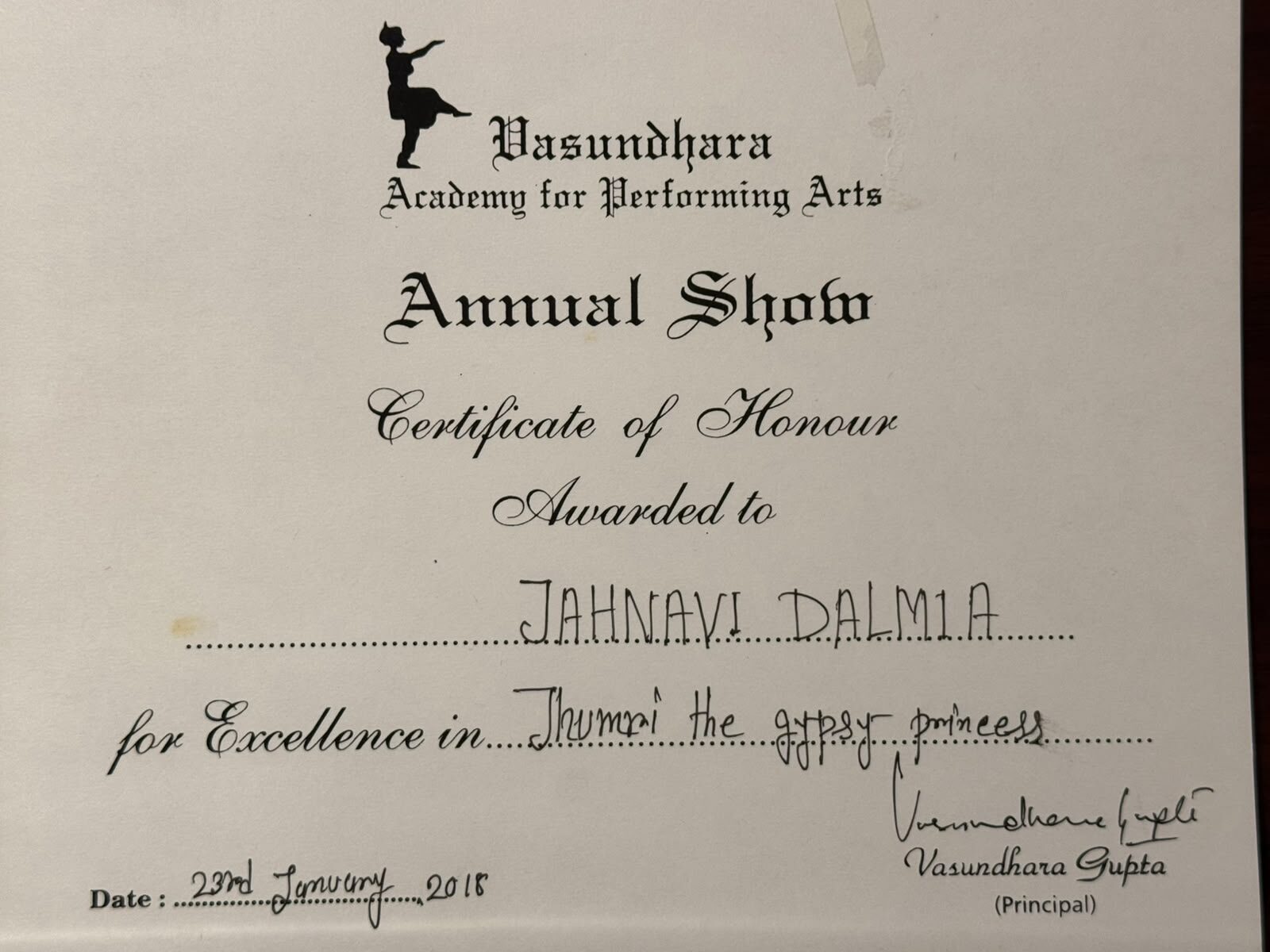
I have also represented the Bengal Rowing Club in inter-club dance competitions, an experience that pushed me beyond the familiar environment of school performances and challenged me to perform at a competitive level.

It represents the consistency, coordination and trust required for a group of dancers to perform as one.

Dance Achievements (Interschool Competitions)

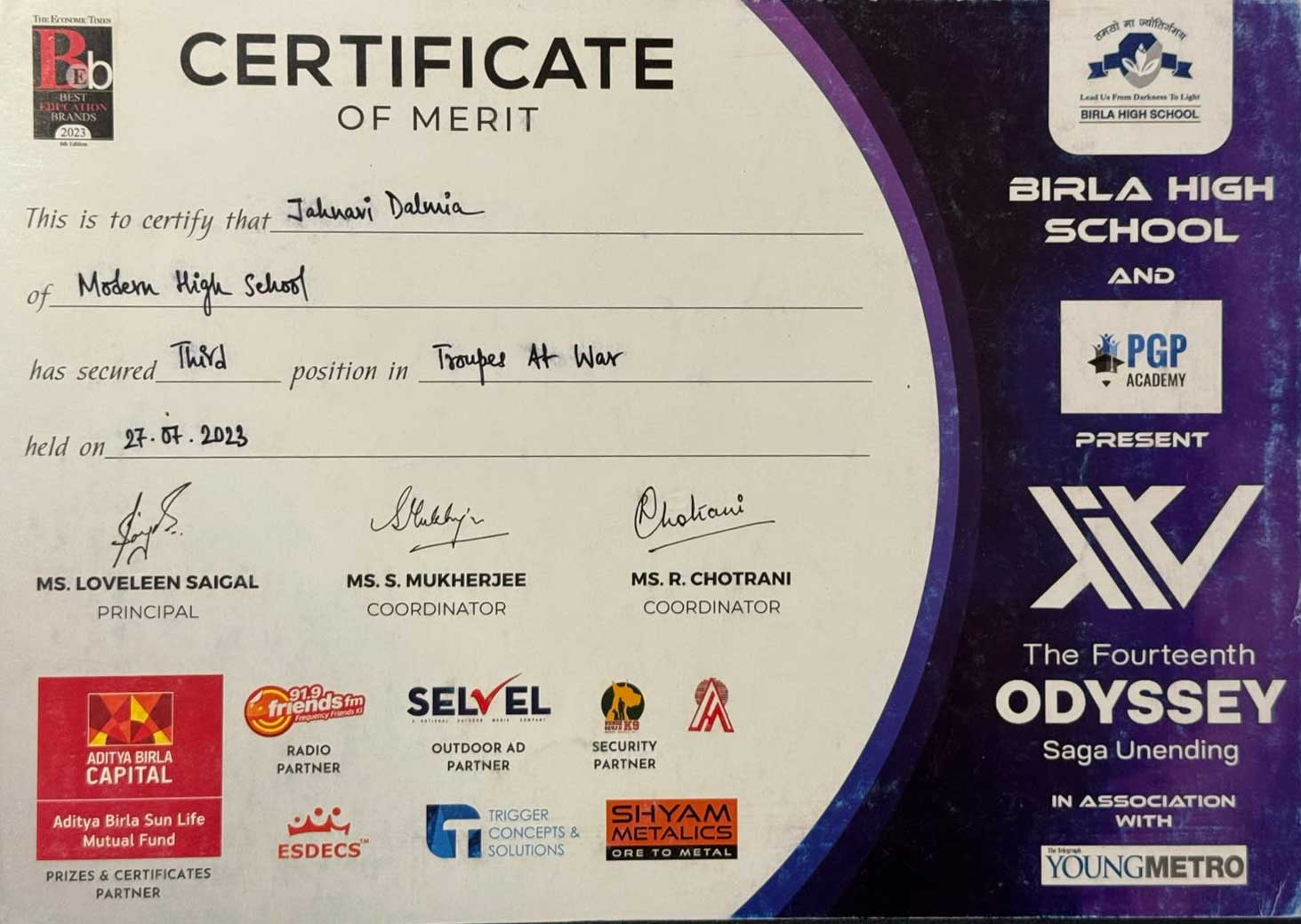
  • Modern High School for Girls (Troupes of War)3rd PositionJuly 2023


    Troupes of War

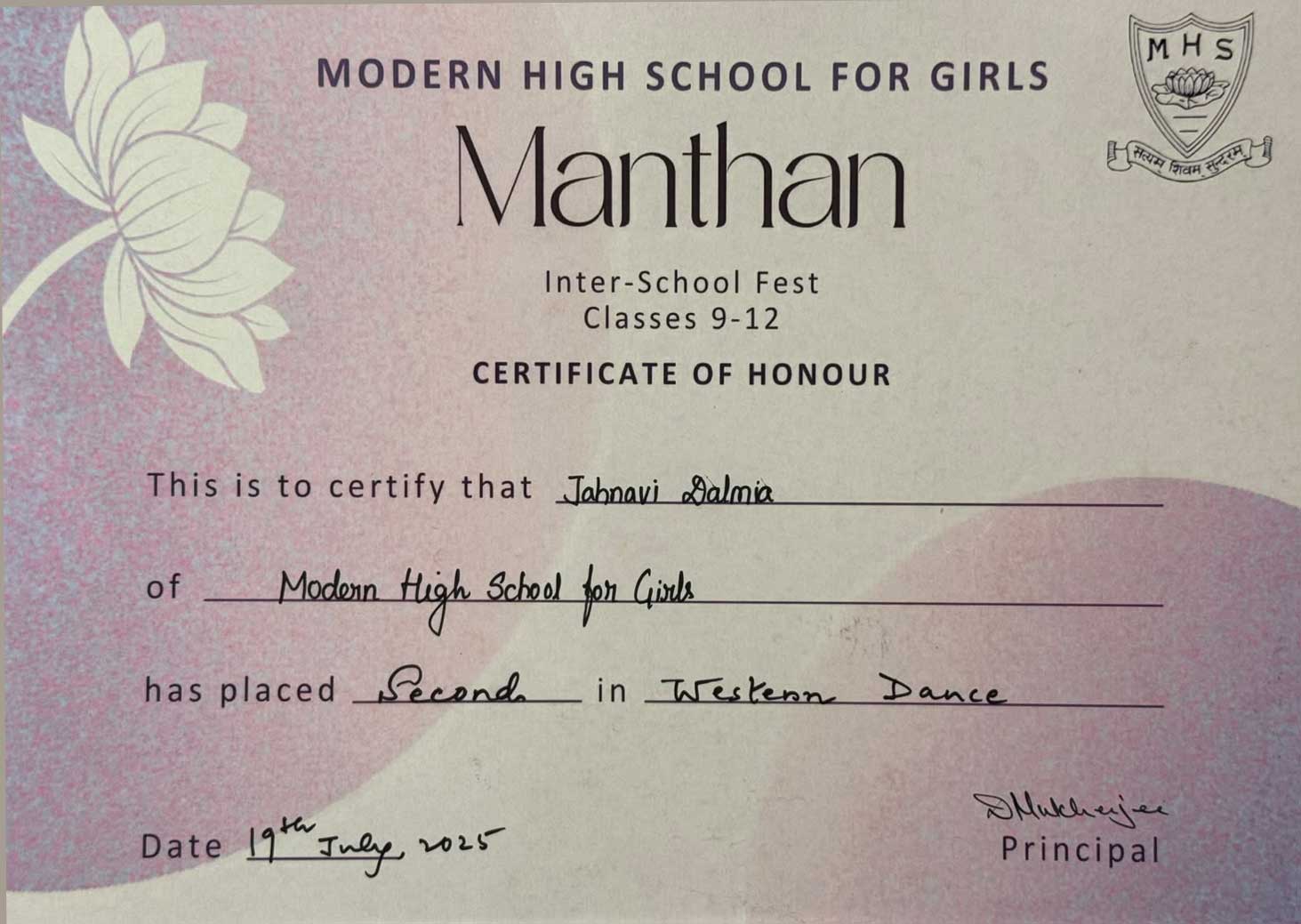
  • Modern High School for Girls (Manthan)2nd PositionJuly 2025


    Manthan

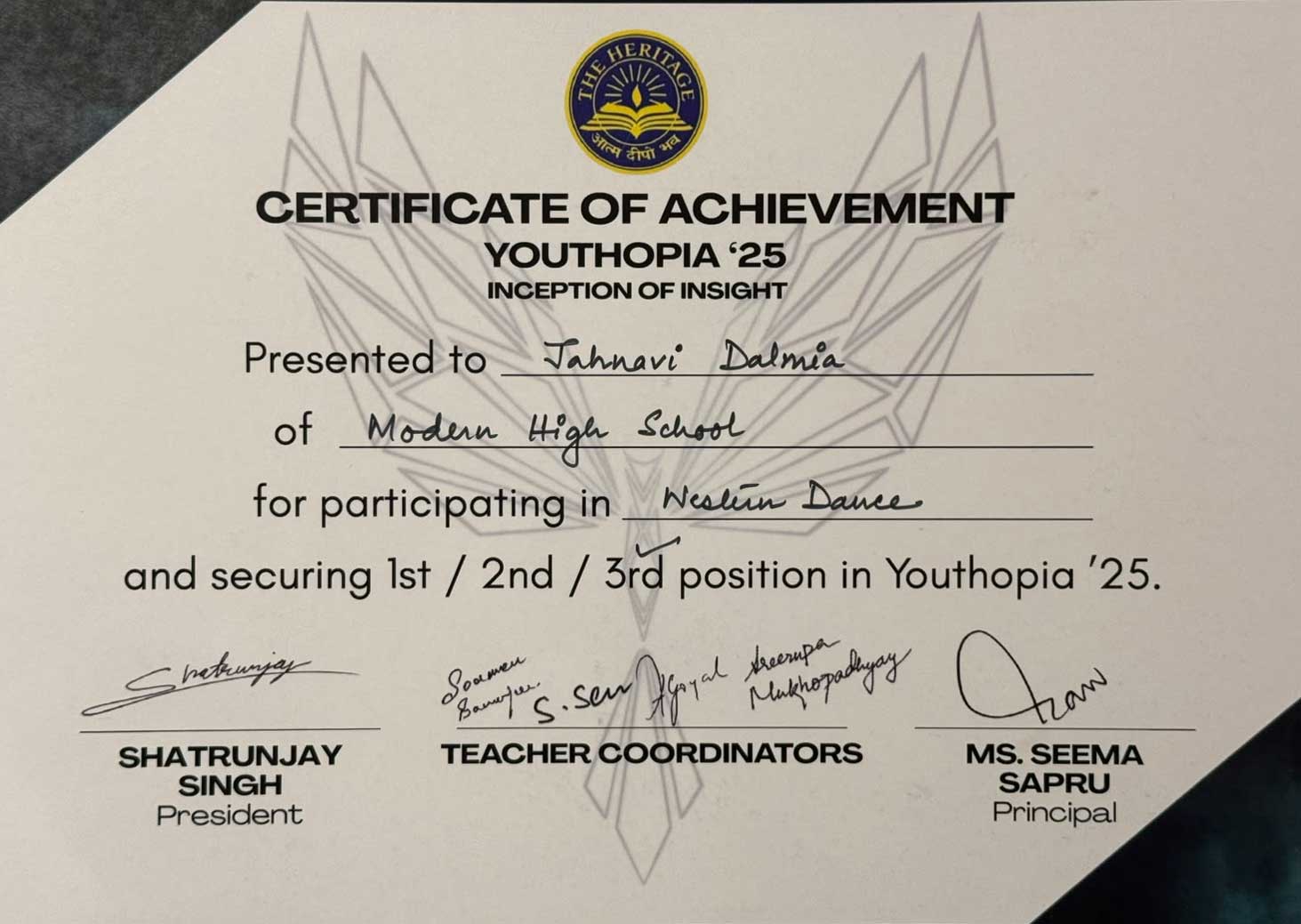
  • The Heritage School (Youthopia)3rd PositionApril 2025


    Youthopia

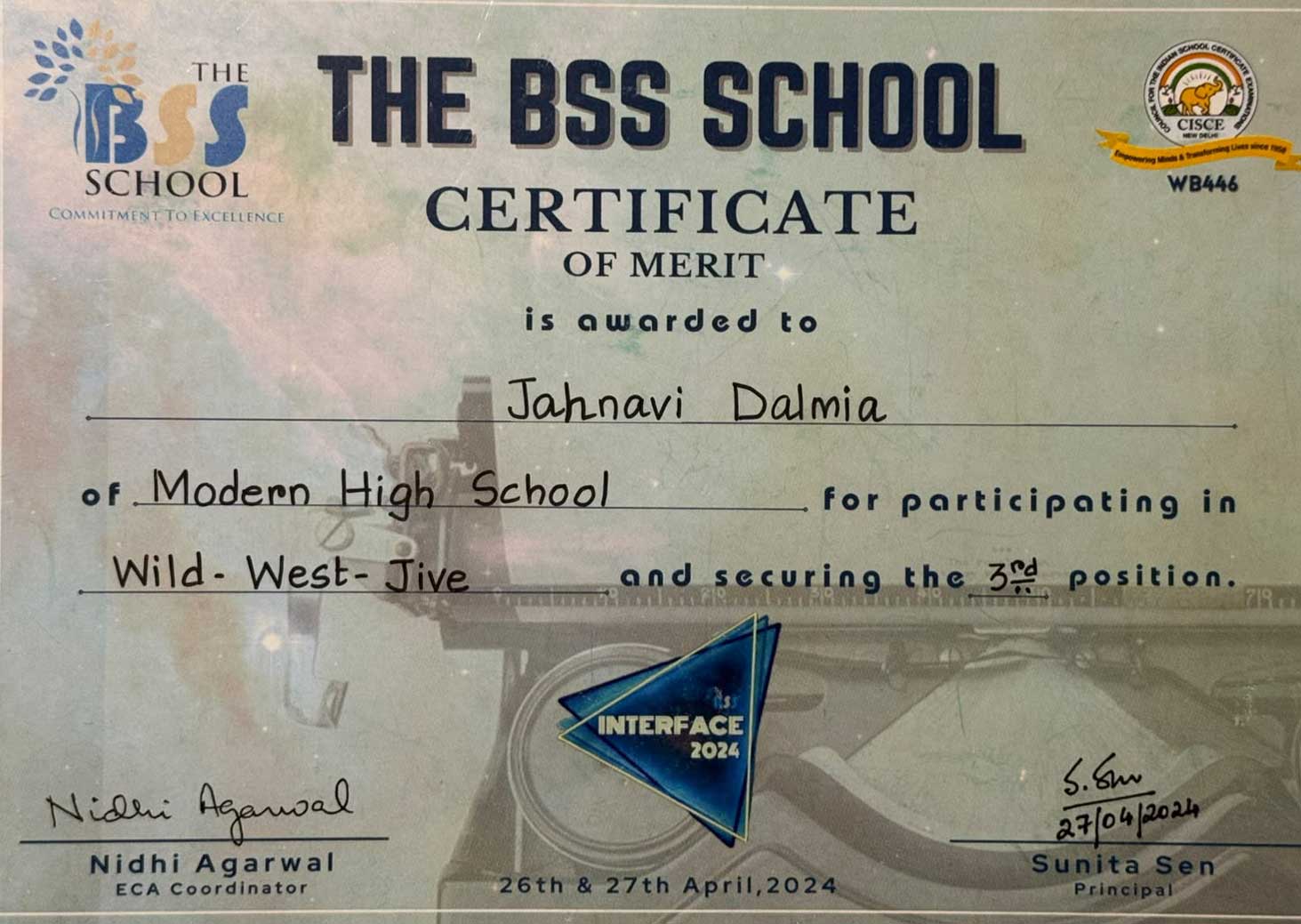
  • The BSS School3rd PositionApril 2024


    The BSS School

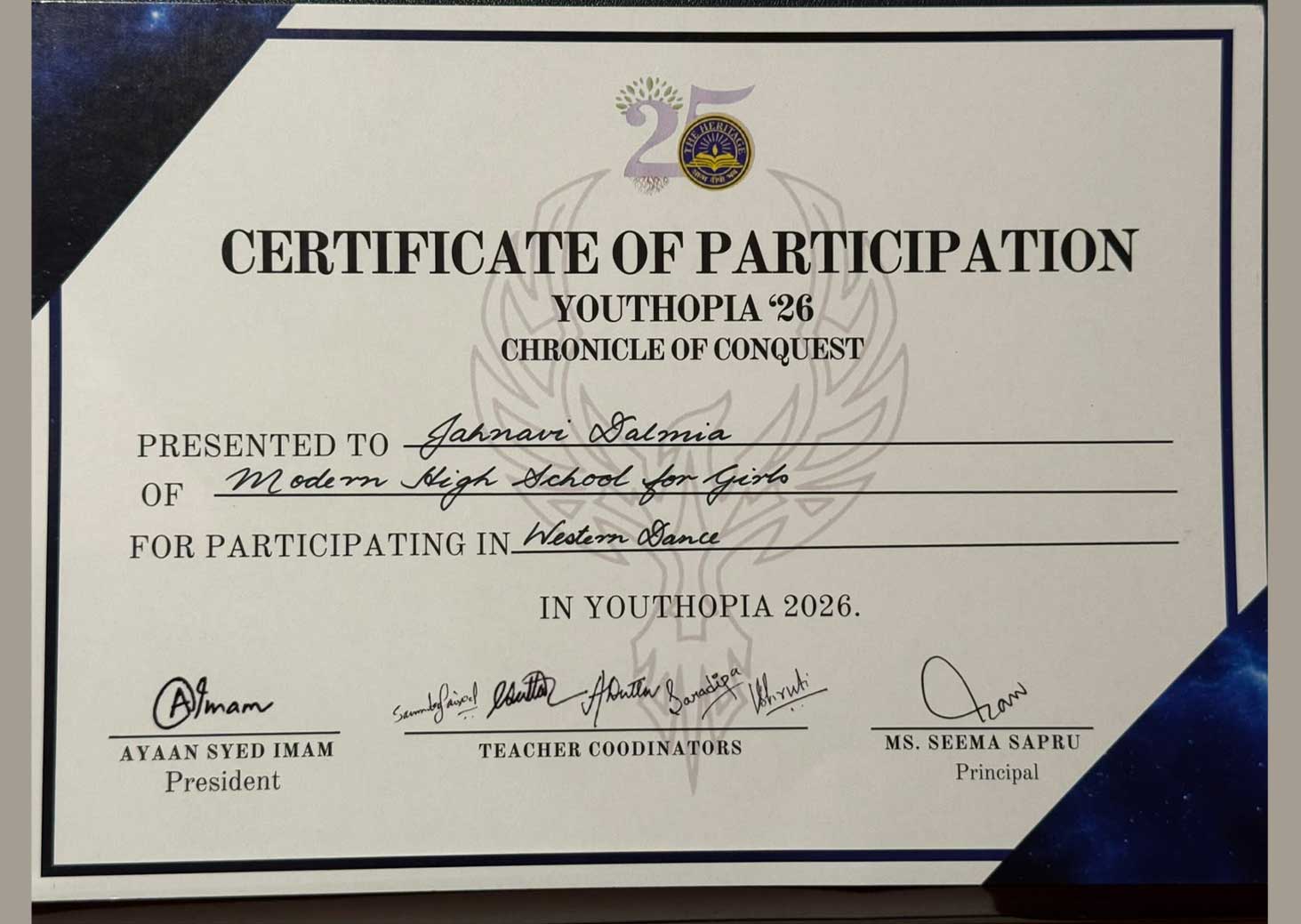
  • The Heritage School (Youthopia)ParticipationApril 2026


    Youthopia

Dance Achievements (Intra-School Competitions)

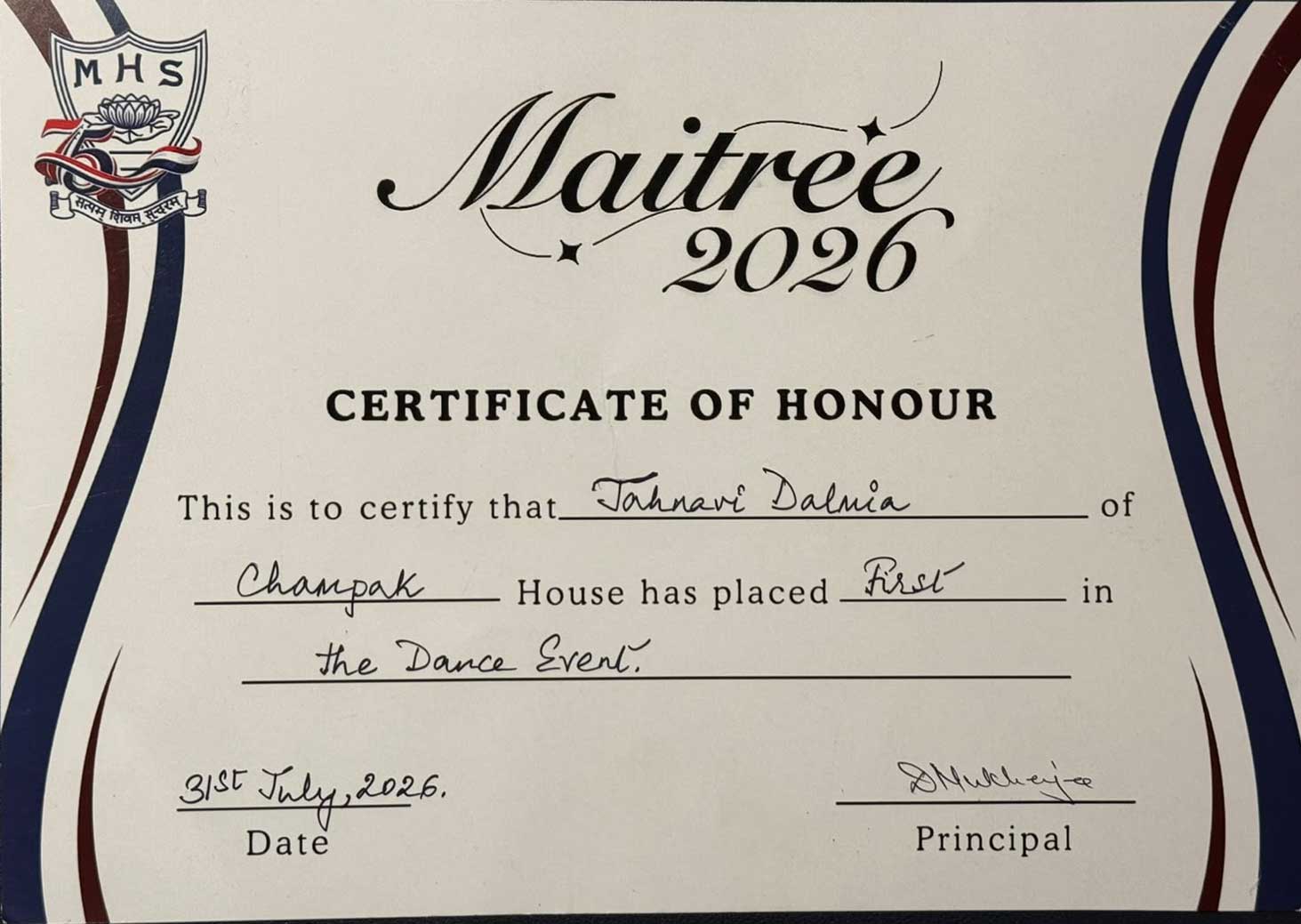
  • Maitree (Inter-House Fest for Classes 9-12)1st PositionJuly 2026


    Maitree

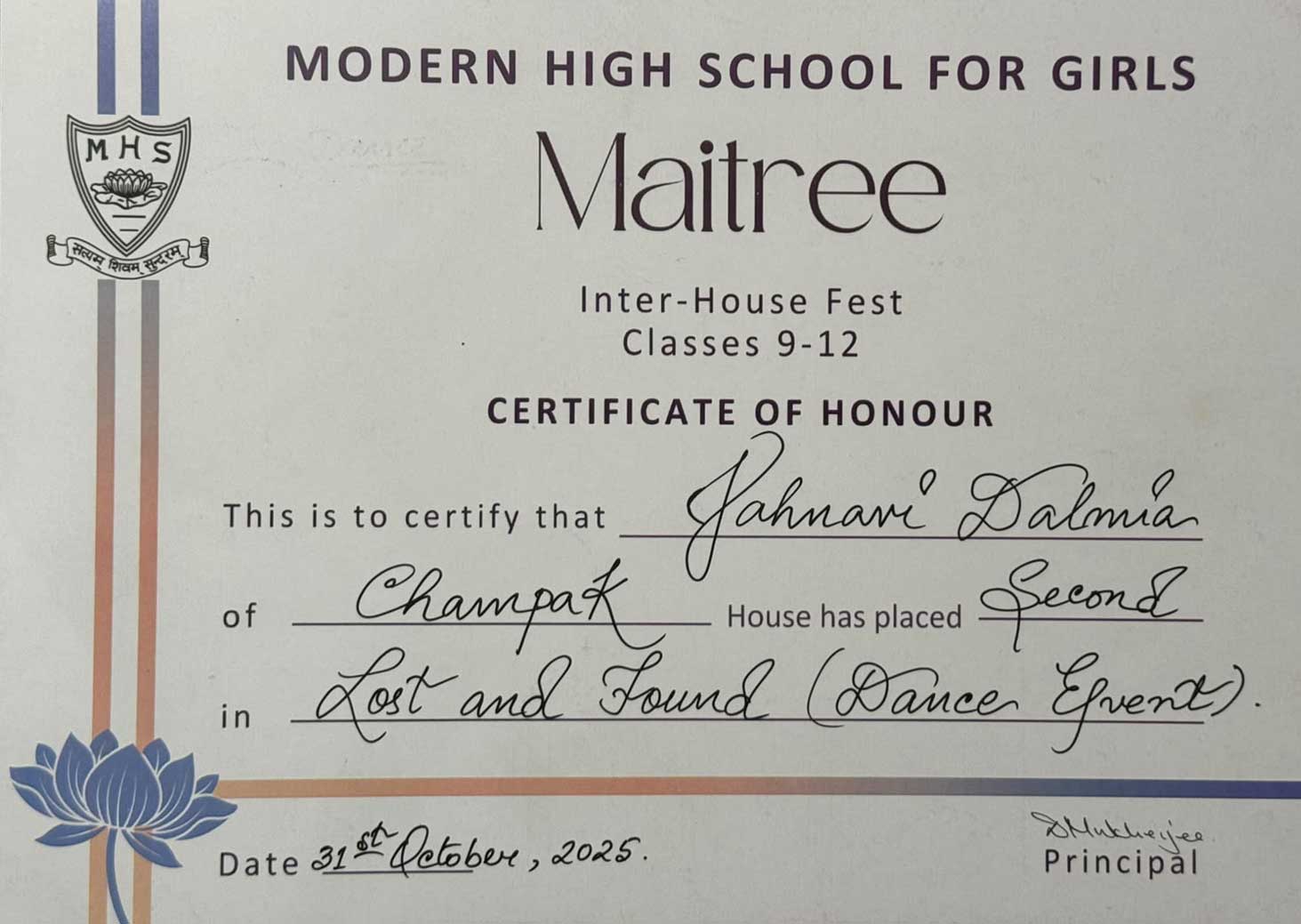
  • Maitree (Inter-House Fest for Classes 9-12)2nd PositionDecember 2025


    Maitree

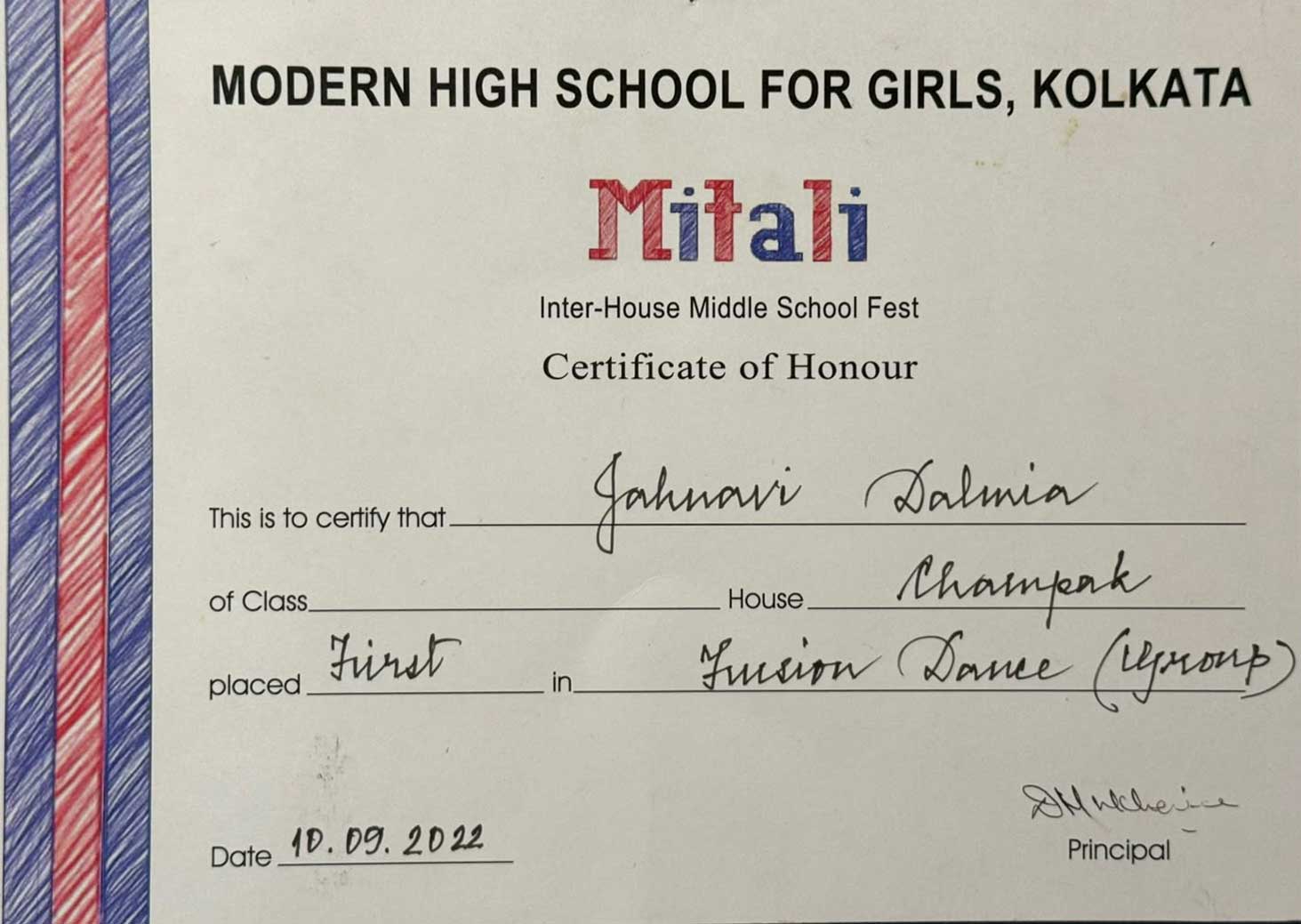
  • Mitali (Inter-House Fest for Classes 6-8)1st PositionSeptember 2022


    Maitree

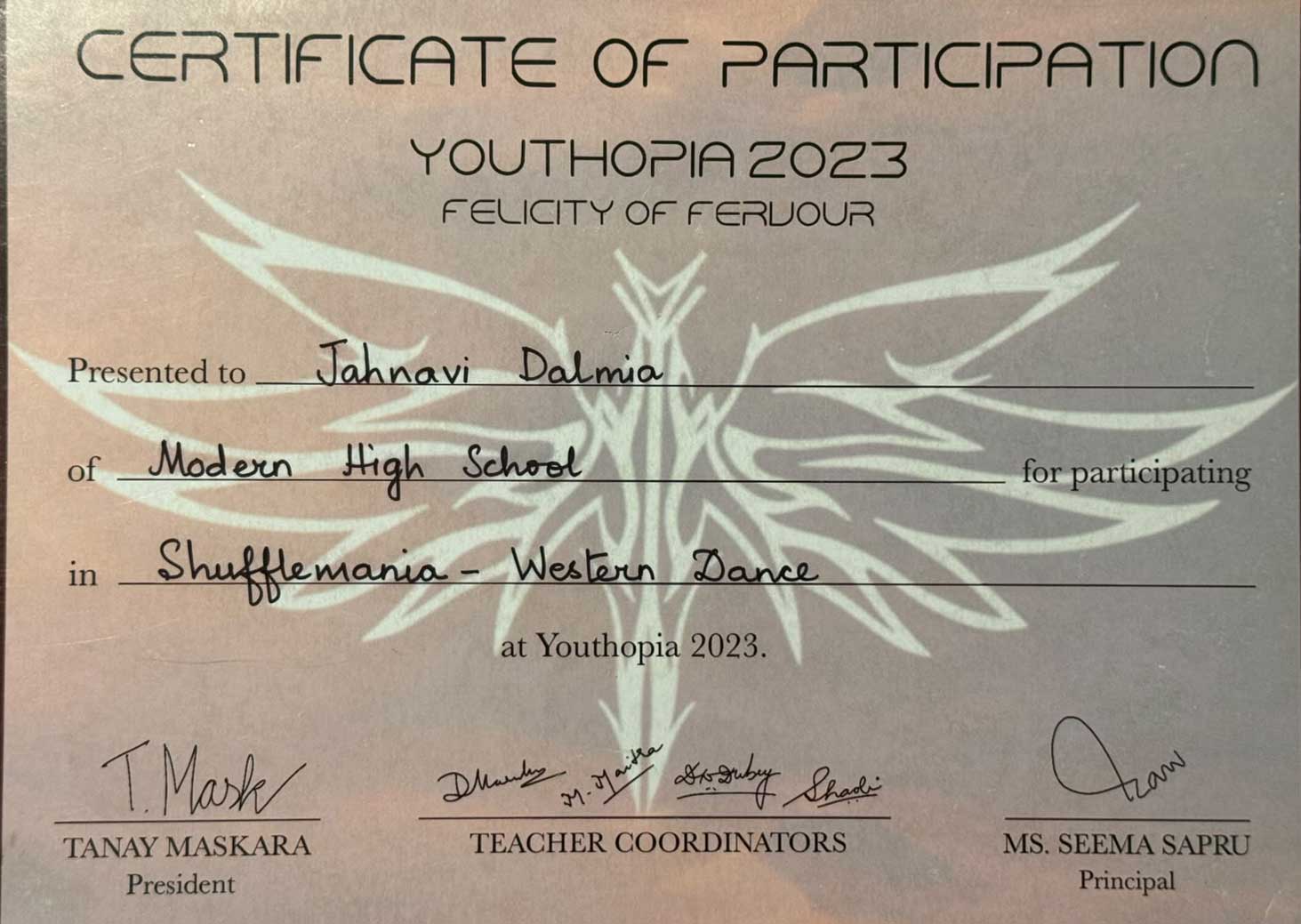
  • The Heritage School (Youthopia)ParticipationApril 2023


    Youthopia

  • Odissi and dance


    5
    previous arrow
    next arrow
“I’ve grown up surrounded by answers. Now, I’m learning to ask my own questions.”